Why South African Women Are the Real CEOs of Online Culture
In South Africa's fast-moving digital landscape women aren't just participating, they're leading - commanding audiences, setting the aesthetic and shaping the narrative.
Happy Women's Month! In South Africa's fast-moving digital landscape, women aren't just participating, they're leading. From Instagram to Snapchat, they command large audiences, set the aesthetic tone, and shape the cultural narrative. This isn't accidental, it's demographic power meeting cultural resonance and platform fluency. And it's shifting the way brands define influence.
The Numbers Don't Lie: Women Own the Feed
As of 2025, female personalities, particularly actresses, influencers, and creatives, are significantly outpacing male counterparts on social media. Some boast 1-7 million followers. A key reason: women make up 56.6% of Instagram users in South Africa, with over 1.2 million more females aged 18-24 than males, making them the engine of trend culture (NapoleonCat, 2025).
On Snapchat, this dominance is amplified with 77.7% of its adult ad audience female (DataReportal, Digital 2025). These platforms reward storytelling and relatability, spaces where South African women thrive through content rooted in lifestyle, motherhood, fashion, beauty, and self-empowerment.
Culture + Representation = Influence
South African women are not one-dimensional, they're actors, entrepreneurs, creatives, and activists, often all at once. This multi-hyphenate identity builds trust and deepens brand engagement. In a digital world where representation and realness matter, women who live authentically online build loyal communities and cultural credibility.
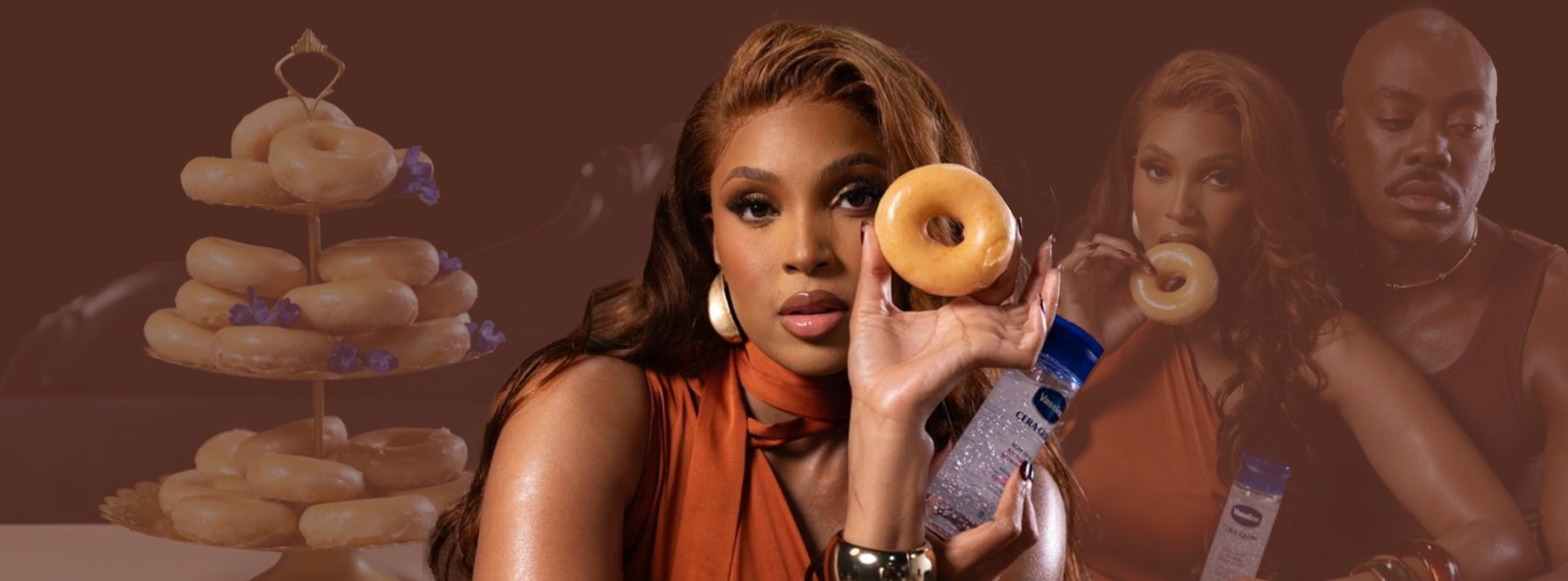
One powerful example is Linda Mtoba, with 2 million Instagram followers and a long-term partnership with Vaseline South Africa. Since 2016, she has embodied the brand's promise of inclusive beauty and skin health. In 2025, she spotlighted innovations like the Cera-Glow range, promoting skincare tailored to local needs.
Her Vaseline x Krispy Kreme campaign merged self-care with everyday indulgence and went viral for its authenticity, vibrant storytelling, and aspirational yet relatable tone. Linda isn't just endorsing a product, she's narrating a lifestyle. It's this kind of emotional resonance that turns brand messaging into brand love.
Music: The Male Exception
While women dominate most digital spaces, music remains the one space where men, especially male artists, hold sway. With 23.4 million users, TikTok in South Africa thrives on music-driven content and currently has a slight male skew. Artists like Tyler ICU and Master KG have exploded globally, riding the wave of TikTok's 34% year-on-year growth.
Still, outside of music, the influence pendulum swings clearly towards women.
What This Means for Brands
In 2025, 60% of brands in South Africa plan to increase influencer marketing spend, with women at the centre of these strategies. And for good reason: South African women don't just amplify, they embody. Their stories are the stories that move culture, shape trends, and build trust.
Partnering with them isn't a marketing trend. It's a cultural imperative.