The World Knows South Africa's Sound. But Who Will Remember Our Story?
A brand can buy visibility in culture, but it cannot buy a place in its history. As South African dance music conquers global dancefloors, that distinction matters more than ever.
-
South Africa isn't exporting music. It's exporting identity.
-
A global performance makes headlines. Cultural documentation makes history.
-
Authentic brands don't borrow culture. They help build its legacy.
-
When your campaign ends, what does culture inherit?
A brand can buy visibility in culture. But it cannot buy a place in its history. As South African dance music conquers global dancefloors, that distinction matters more than ever.
From Afro House to Amapiano, we're exporting more than music. We're sharing a cultural language shaped by township ingenuity, ancestral rhythms, street fashion, local expression and a heritage where music has always meant community.
The world hears the beat. South Africans hear the history. Our sound is unmistakable because our culture is impossible to replicate.
The Real Legacy Is What Happens Beyond the Stage
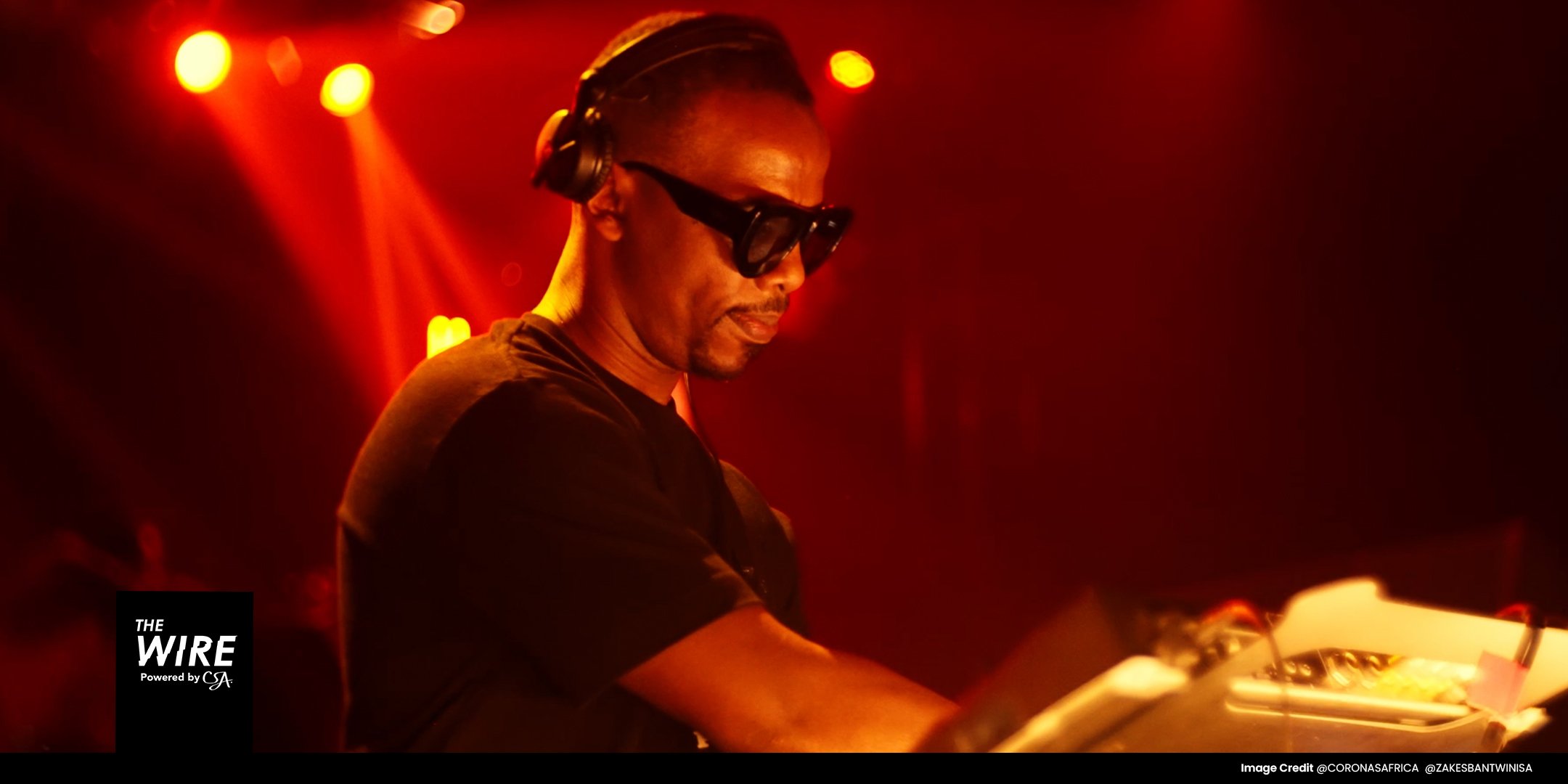
Grammy-winning Zakes Bantwini understands that taking culture global is only half the journey. Preserving its story gives the movement longevity.
His Golden Hour documentary, produced by Corona Studios, follows his journey through Mallorca, Lisbon, Hamburg and Berlin, from sharing decks with fellow South African talent Shimza to connecting with international powerhouse Diplo. But the real cultural value lives beyond the performances.
It's turning cultural influence into cultural history, preserving the moments that will inspire generations long after the music stops. These films become tomorrow's cultural archives, capturing the creative choices, relationships, people and heritage behind the music. For emerging artists, they're a masterclass in building international careers without sacrificing cultural identity. Through Mayonie Productions, Zakes takes that responsibility further, championing emerging talent and creating opportunities for others.
A performance creates a memory. Documenting the movement gives that memory a future.
Culture Marketing: Stop Renting Relevance. Start Building Legacy.
Corona's partnership with Zakes offers a compelling lesson.
The brand doesn't ask the artist to step into an advertising narrative. Instead, it enters his world: his golden-hour rituals, creative process, connection with nature and personal journey.
It follows him through unfamiliar streets, discovering new cities, engaging with different cultures and drawing inspiration from the world around him. Then comes the magic: Zakes stepping onto international stages, activating his extraordinary talent and introducing new audiences to the energy, rhythm and cultural identity of South African dance music.
From the intimacy of personal discovery to the electricity of a global dancefloor, the brand becomes a companion to his journey, not an interruption. This isn't simply product placement. It's an authentic relationship built around shared values, helping preserve and amplify a cultural story.
That's where culture marketing becomes more meaningful than sponsorship.
The Question Every CMO Should Ask
If your campaign disappeared tomorrow, what would the culture have gained?
- Opportunity?
- Recognition? A platform?
- A story preserved for future generations?
Because impressions disappear. Campaigns end. Algorithms move on.
But culture remembers those who helped move it forward.
The future of culture marketing isn't about being seen in the moment. It's about being remembered for what you made possible.