
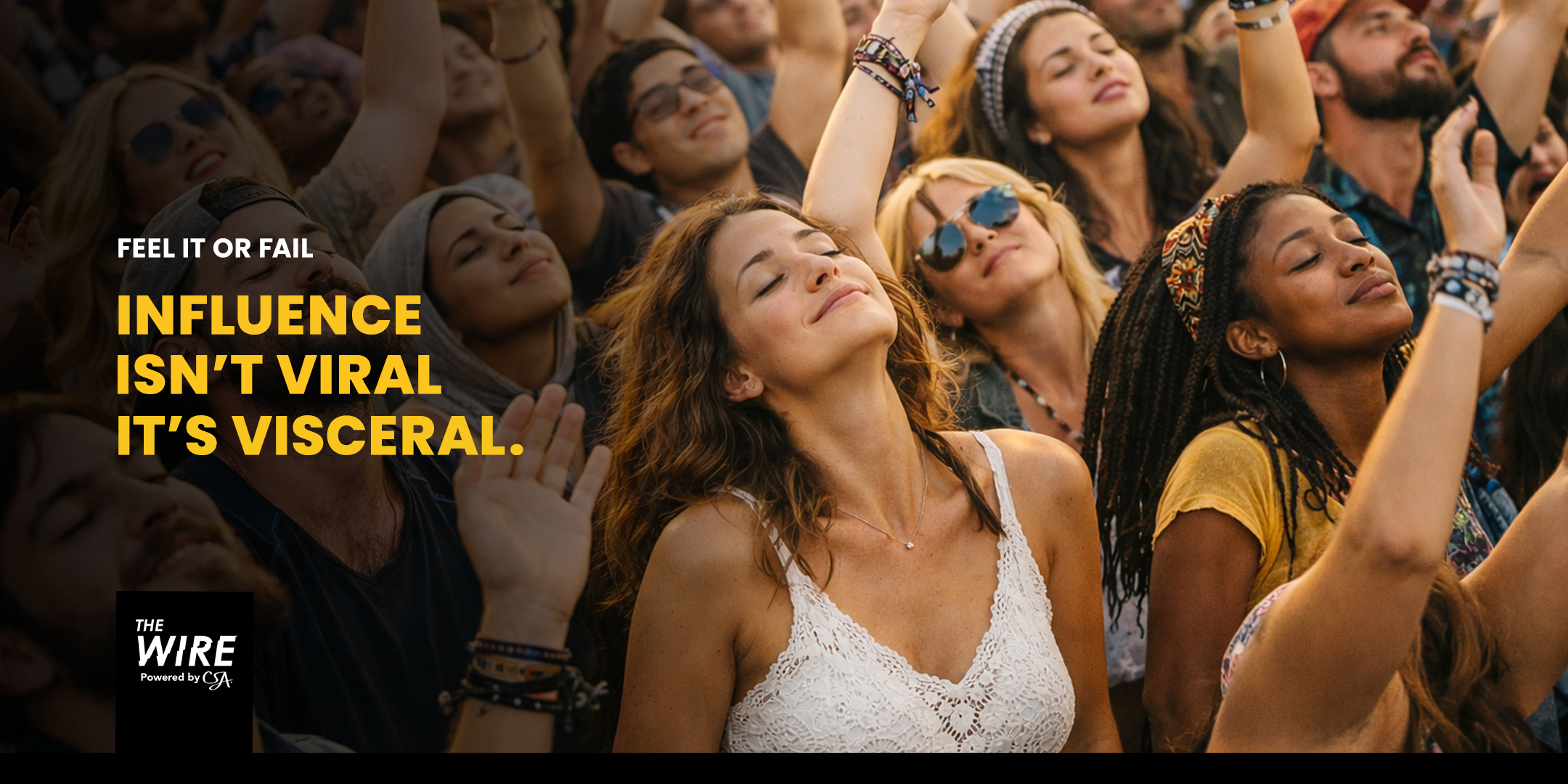
- 82% of emotionally engaged consumers stay loyal: proof that feelings, not followers, build brands.
- The era of viral vanity is over: only brands that move hearts will move markets.
- Visceral influence turns storytelling into shared identity: where empathy becomes equity.
- In 2026, cultural resonance will outlast every algorithm: because emotion never goes out of fashion.
Knowing the difference between the two “V’s” became the biggest lesson for marketing in 2025. Influence isn’t about fleeting virality, it’s about creating visceral, deeply felt connections that shape consumer behaviour and brand loyalty. For brand managers, CMOs, and decision-makers preparing strategies for 2026, this distinction is crucial. The era of chasing quick online buzz must give way to cultivating genuine emotional engagement that drives lasting impact and action.
What does “Influence isn’t viral, it’s visceral” mean? Viral content spreads rapidly, often through algorithms and momentary trends, generating brief spikes in attention. Visceral influence, by contrast, strikes at the core of human emotion, sparking empathy, identity resonance, or social purpose. This kind of influence embeds brands in lived experience, cultures, and communities. It’s slower but far more powerful and enduring.
What does it look like?
On the global front, TikTok Creator Kay Poyer’s Mental Health Campaign The 25 Most Influential Social Media Influencers and Creators of 2025 tapped into her community with impact. Kay Poyer launched a TikTok series blending raw storytelling and candid discussions about anxiety and depression, engaging millions. Her influence wasn’t just a viral flash; it was visceral. Audiences connected through vulnerability and authenticity, inspiring millions to seek help and share their own stories. Brands partnering with Kay tapped into this emotional authenticity to embed mental wellness messaging organically, not as ads, but as shared human experience.
Not to be outdone, our localised perspective showcased that authenticity is always endearing and enduring. Castle Lager’s Heritage of Craft mini-documentary Castle Lager: Heritage of Craft • Ads of the World™ | Part of The Clio Network celebrated the brand’s legacy of brewing timeless beer and creating lasting memories since 1895. Shot with an original 1895 camera, it featured national icons from the Springboks, Proteas, and Bafana Bafana. Brand Director Thomas Lawrence highlights the film as a Heritage Day tribute to South Africa’s diversity, created in partnership with Vino Snap, master printer Dennis da Silva, and Newlands Brewery’s Kyle Moskovitz, it symbolized Castle’s enduring investment in local culture and craftsmanship and connection.
Implications For 2026 Brand Strategies
In practical terms, visceral influence is how brands embed themselves in culture, not as outsiders selling products, but as participants in lived experiences that evoke emotion, memory, and shared values. This connection builds trust, loyalty, and relevance because consumers feel understood and reflected by the brand’s messaging, storytelling, and purpose. 82% of consumers with high emotional engagement demonstrate brand loyalty, compared to only 38% with low emotional engagement BEST EMOTIONAL MARKETING STATISTICS 2025. This means that brands which forge deep, emotionally charged connections, essentially creating visceral influence, build lasting cultural resonance and loyalty.
Brands must pivot from chasing virality to fostering emotional depth and lasting relatability. In today’s saturated media landscape, visceral connections cut through noise by tapping into consumer identities, lived experience and social emotions. Long-term engagement strategies emphasizing storytelling, co-creation, and socially authentic purpose will be essentials for cultural relevance and loyalty.
3 Principles to Activate Visceral Influence
- Champion Authenticity and Vulnerability
Embrace imperfection and genuine voices. Partners and creators who share vulnerabilities forge stronger emotional bonds and consumer trust. - Empower Co-Creation and Individual Expression
Enable consumers to actively shape brand experiences or products. Personalization builds emotional ownership and cultivates brand evangelists. - Root Brand Purpose in Social and Cultural Realities
Authentic engagement with meaningful social causes and cultural narratives creates lasting communal ties, transcending transactional relationships.
The Bottom Line
In 2026, successful influence will not be measured by likes or shares alone but by how deeply a brand inhabits consumer hearts and cultures. The brands and leaders who recognize and harness this visceral power will shape culture, loyalty, and market leadership in an increasingly complex, connected world.