The 2027 Culture Advantage: Build Brand Memory
In 2025, 74% of brands spent more on creator marketing, yet only 27% of that content connected back to the brand. Visibility without memory is wasted culture - and the 2027 advantage belongs to brands that build memory architecture.
-
74% spend more. Just 27% connects.
-
Visibility without memory is wasted culture.
-
Are brands engineering their own amnesia?
-
The strongest brands become life memories.
When Did Culture Become So Forgettable?
Think about the music that defined your teenage years. The clothes you desperately wanted. The advertisements everyone could quote. The sporting moments that stopped a country.
We did not simply consume culture. We attached our lives to it.
Today, culture moves at almost 24-hour speed. A moment explodes. Brands react. Creators recreate it. Algorithms multiply it.
Then we scroll.
Tomorrow brings another campaign, collaboration and trend. We have never documented our lives more, yet our always-on culture barely gives one moment time to become meaningful before the next replaces it.
Brands Used to Build Memory
We are recording everything, consuming everything and remembering less. For brands, that should be terrifying.
Look at the brands that endure. Louis Vuitton, founded in 1854, turned craftsmanship, travel and its Monogram into codes recognised across generations. Rolex, dating to 1905, built meaning around precision, achievement and human endeavour. Closer to home, Castle Lager has been part of South African life since 1895, embedding itself in gathering, friendship, nation building and sport.
These brands changed with the world. But they remembered themselves. And because they remembered who they were, generations could attach their own memories to them.
Today, brands risk trading identity for immediacy. It's a never-ending cycle of campaign, trend, collaboration, reaction, repeat.
We are creating moments faster than we can turn them into memories. The cave wall is now covered with graffiti, no enduring memory.
The Cultural Amnesia Problem
The numbers expose the danger. In 2025, 74% of brands increased creator-marketing budgets. Yet Kantar Context Lab found only 27% of creator content was strongly linked to the brand. Brands are spending more to enter culture, while risking being forgotten inside it.
Visibility is not memory.
AI compounds this problem by enabling brands to spot conversations, create content and react at unprecedented speed. But if our answer to acceleration is simply more acceleration, we risk industrialising forgettable marketing.
More content. More moments. Less meaning. The next frontier must be memory architecture: creating brand actions that leave something behind.
The Evidence Remains
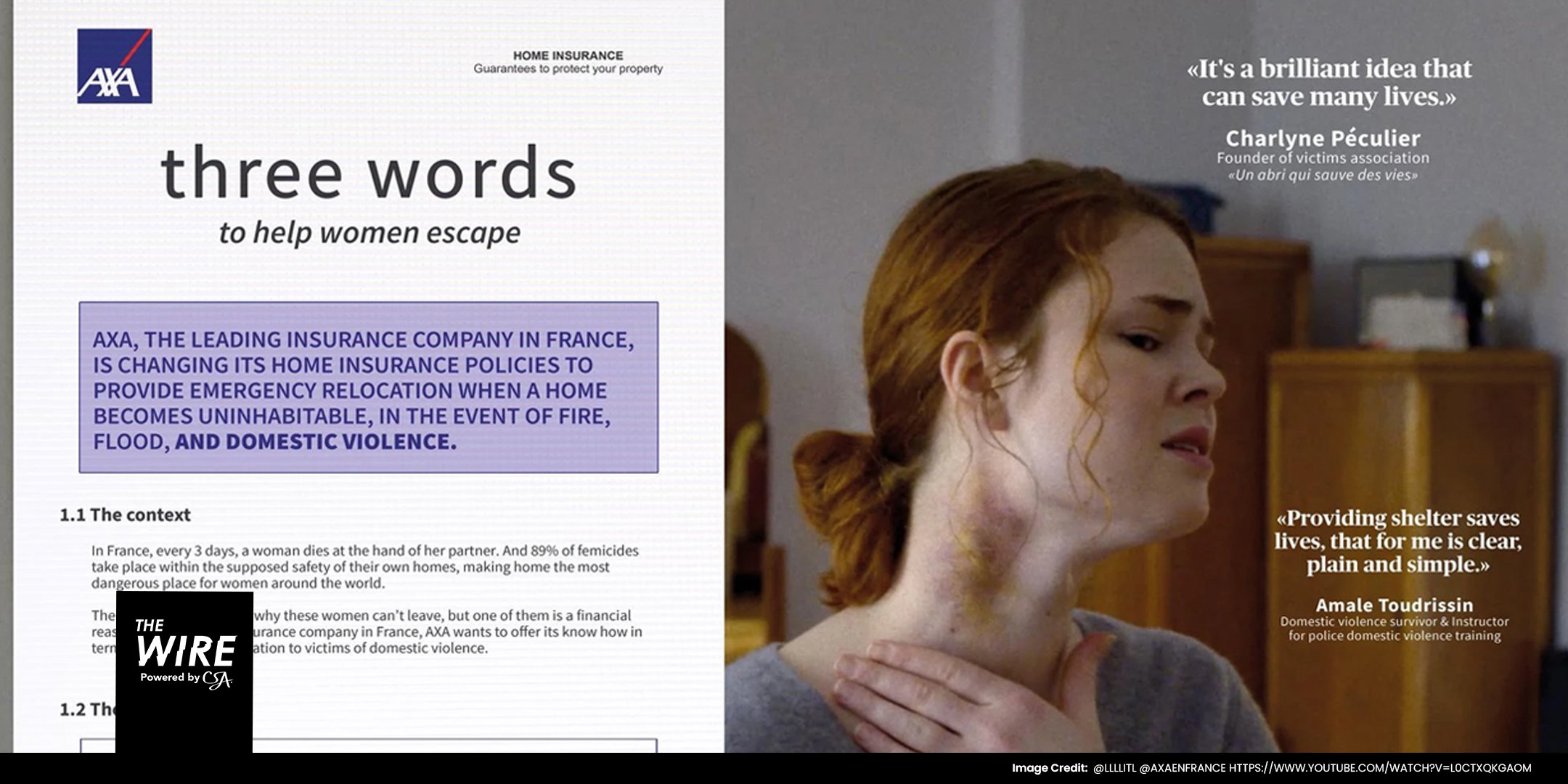
AXA's "Three Words" proves the point. Rather than simply communicating about domestic violence, AXA France changed its home insurance offering to provide emergency relocation support.
The result? 1,576 people supported, net new contracts up 113%, and AXA moving from #2 to #1 in brand consideration. The work won the 2026 Cannes Lions Creative Effectiveness Grand Prix.
The advertising stopped. The evidence remained. That is the difference between borrowing attention from culture and leaving something inside it.
Will Anyone Remember This?
So every 2027 cultural brief needs one uncomfortable question: will anyone remember this? Not tomorrow. Five years from now. Because reach disappears. Engagement resets. Trends die.
Memory becomes meaning. Meaning becomes identity. Identity becomes legacy.
The greatest brands don't just remind us what they stand for. They remind us who we were.