Why the Smartest Brands Build Rituals
How Stella Artois turned the Perfect Serve into a cultural thread connecting sport, fashion, music and hospitality, generating R10.7 million in earned media value along the way.
-
Attention fades. Cultural relevance compounds.
-
R10.7 million in earned media value and 1.2 million social impressions.
-
Ritual can build what advertising alone cannot.
-
Cultural intelligence creates commercial advantage.
Premium brands have traditionally traded on exclusivity. Stella Artois demonstrates the value of something more participatory: ritual.
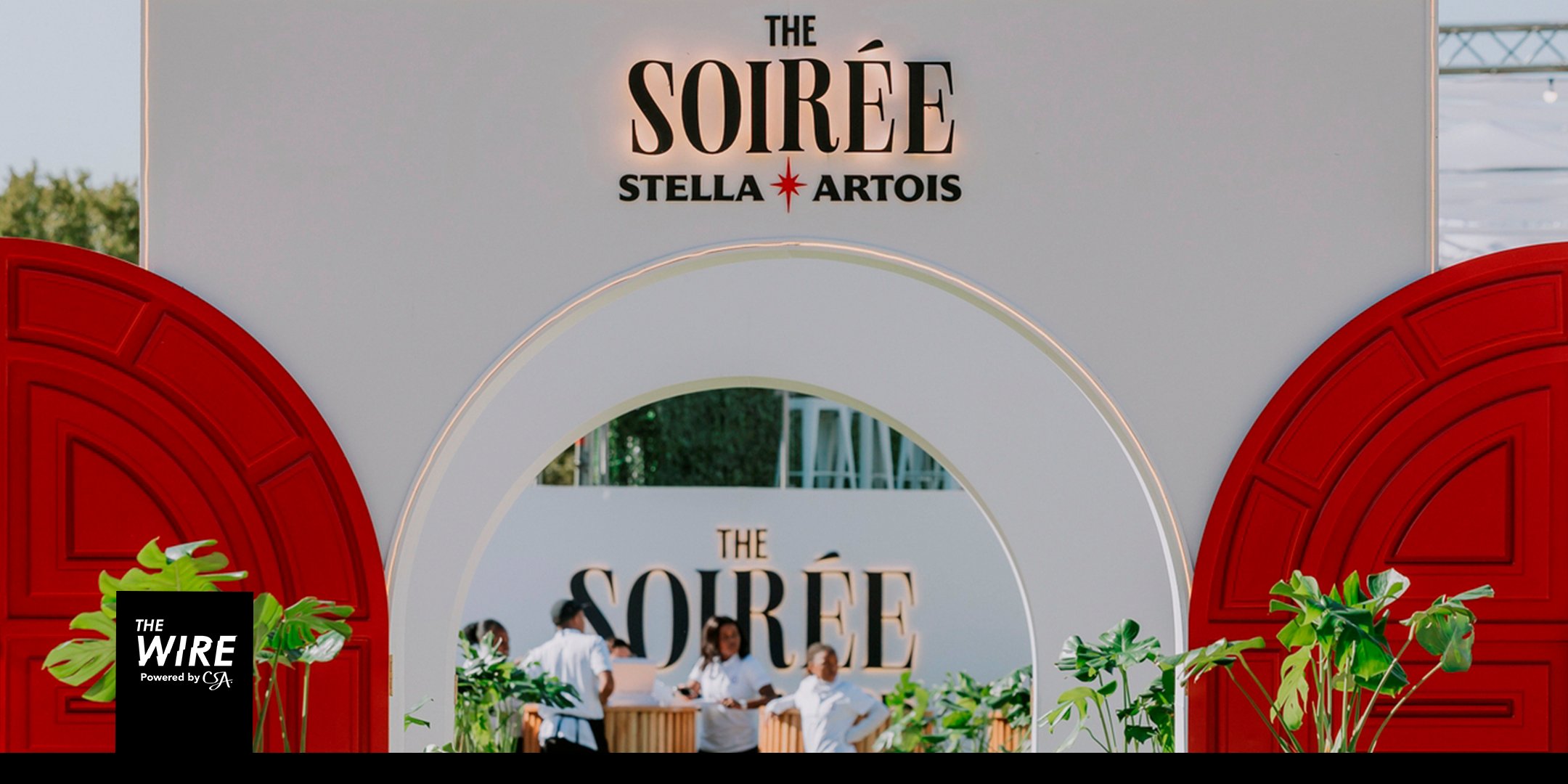
Across some of South Africa's biggest lifestyle occasions - from the Nedbank International Polo and Durban July to Wimbledon, The Soirée and the White Can launch - one consistent behaviour connects the brand to very different cultural worlds.
The Perfect Serve.
Rather than simply placing Stella Artois inside these occasions, the ritual gives people a distinctive way to experience the brand within them, connecting hospitality, craftsmanship and conversation through a behaviour that remains recognisably Stella wherever it appears.
Collectively, the platform generated more than R10.7 million in earned media value and 1.2 million social impressions, demonstrating the value cultural relevance can create beyond visibility alone.
When a Brand Behaviour Becomes Culture
People may forget a logo placement. They are far more likely to remember something they actually did, and that's the power of ritual.
At polo, fashion, music and sporting occasions, the Perfect Serve becomes a shared language while allowing each experience to retain its own character. Stella doesn't need to manufacture a cultural connection because it is participating in passions people already care about, and then adding something recognisable of its own.
In South Africa, where lifestyle is deeply social and identity is expressed through where people gather, what they wear and who they celebrate, that distinction matters.
From Visibility to Cultural Capital
For CMOs, there's a useful distinction here.
Too many campaigns ask: "Where can our brand appear?"
Culturally intelligent brands ask: "How can our brand make this moment more meaningful?"
The difference is between buying visibility and building something people associate with an experience.
When repeated consistently, distinctive brand behaviours can become cultural assets of their own, creating familiarity, memory and meaning across otherwise very different moments.
Because when a brand ritual becomes part of how people experience an occasion, it stops being just another activation.
It becomes a memory. And those are worth more.