Does Your Brand Know It's a Women's World?
Women influence $31.8 trillion in global spending, yet brands still market to them like a niche. Why women-centric marketing is now a cultural intelligence problem, not a messaging one.
-
Women control $31.9T in spending, yet brands still market to them like a niche.
-
63% of women say they spend cautiously, craving trust over hype.
-
The manosphere is worsening the emotional climate women buy in.
-
Are you solving women's real life, or just signalling values?
Women are not a niche. They are not a "female audience." They are the economy, the culture editors, the care economy, the household strategy team and the emotional temperature of the market. And if that sounds dramatic, the numbers are not. Women influence an estimated $31.8 trillion in global spending. They also increasingly shape what gets bought, shared, trusted and recommended across households, communities and culture.
But here is the part most brand decks miss. Behind every data point is a life from school runs, care work, side hustles, budget pressure, health decisions to family expectations including the invisible labour of making everything function.
That is why women's marketing is no longer just a messaging problem. It is a cultural intelligence problem. Women do not only buy products. They interpret them. They decide whether a brand feels safe, useful, credible or worth recommending. They turn products into rituals, and rituals into belonging.
The uncomfortable truth
The cultural climate around women is getting harsher. The rise of the manosphere, online spaces built on misogyny, rigid gender roles and anti-feminist ideas is shaping the emotional environment women are buying in. That matters. Because women are now asking a sharper question of brands: Are you building with me, or performing at me? That question changes everything.
In a world full of pinkwashing, women are becoming more selective, more sceptical and more attuned to whether a brand actually understands their reality.
What brands are getting right
The smartest brands are moving from slogans to substance.
In 2026, Lindex put women's stories and bodies at the centre of a new underwear campaign designed to normalise the female body and move the conversation away from idealised imagery. That matters because it shows what modern women-centric marketing actually looks like: not "celebrating women" from a distance, but reflecting the realities women live with every day.
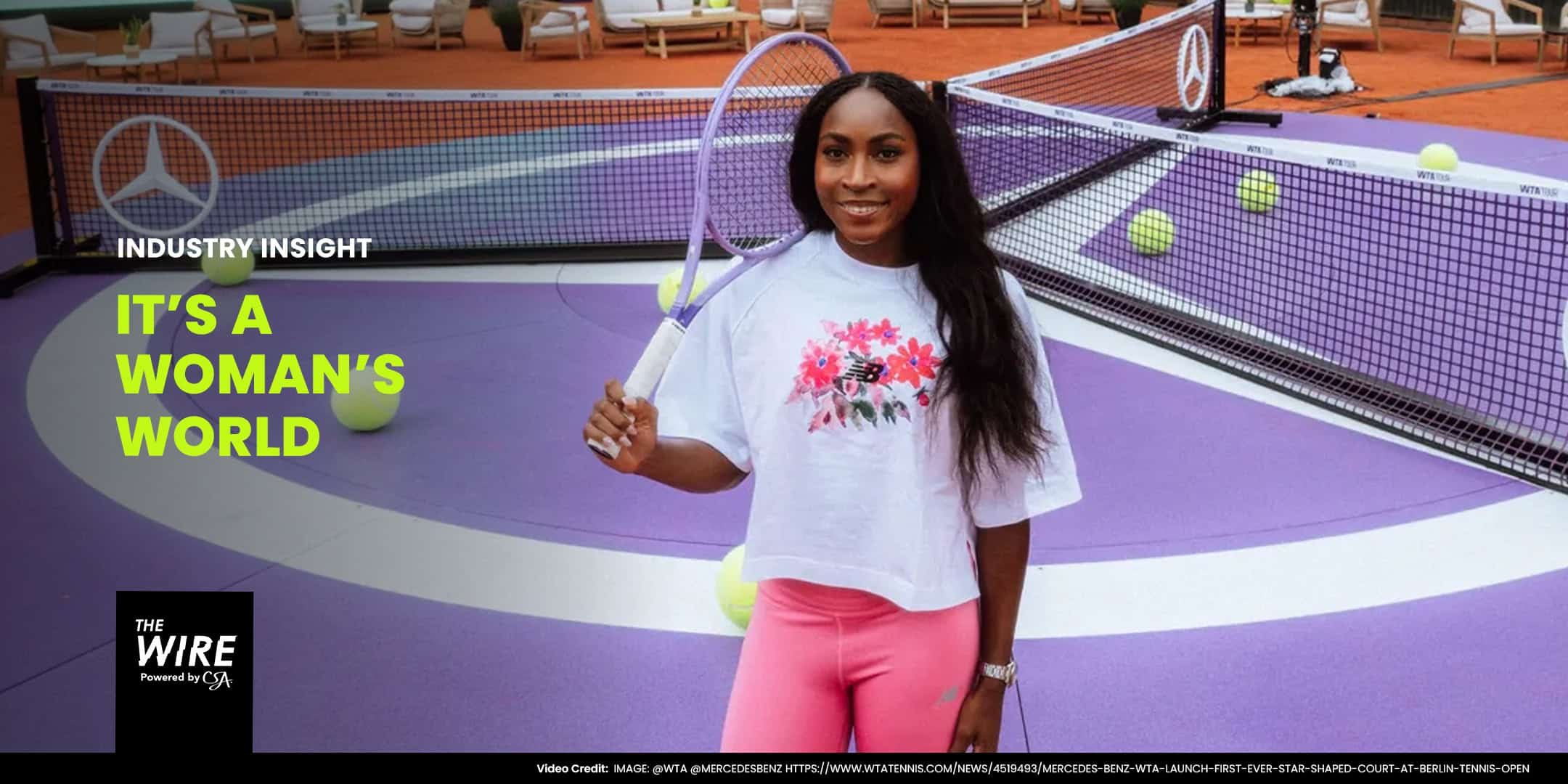
Mercedes-Benz has also gone beyond seasonal celebration, deepening work with the Women's Tennis Association and launching "Driven by Her."
These are not cute brand gestures. They are ecosystem plays.
What 2027 demands
The next era of women-centric marketing will reward brands that understand:
-
Economic fluency: women are earners, founders and decision-makers.
-
Life-stage nuance: women are not one demographic bucket.
-
Proof over posture: women want value they can feel.
-
Cultural empathy: brands must recognise the pressure women are carrying.
Understanding womens reality in 2027
If your women's strategy still depends on pink packaging, empowerment language and vague purpose, it is already behind. Women do not need brands to celebrate them. They need brands to understand their reality. And in 2027, the brands that win won't be the loudest in the room.
They'll be the most useful, the most credible and the most human.