
- 72% discovery is social, brands now fight for narrative, not media space
- Culture rewards publishers, not advertisers
- Owned content drives 156% ROI, rented attention disappears overnight
- Brands publishing like media houses see 2× Gen Z engagement
Your team is publishing daily content, Reels, newsletters, podcasts, social clips. You are no longer “supporting” marketing. You are already operating as a media company, whether you admit it or not. The problem /challenge is structural.
In 2026, brands are producing media at scale, while still organised like 2016 marketing departments. Meanwhile, Netflix, Spotify and creator-led platforms dominate attention. Today, 72% of brand discovery happens on social platforms, not through search or traditional media. That means you are no longer competing for ad space. You are competing for narrative, relevance and cultural mindshare.
This is no longer about posting more. It is about how culture consumes content, fast, emotional, repeatable, and how brands show up inside that rhythm.
The Attention War Has Shifted
Video now accounts for 60% of all time spent on social platforms. Every day, short-form video across TikTok, Instagram Reels and YouTube Shorts generates an estimated 120 billion views. This is not passive consumption, it is constant cultural exposure.
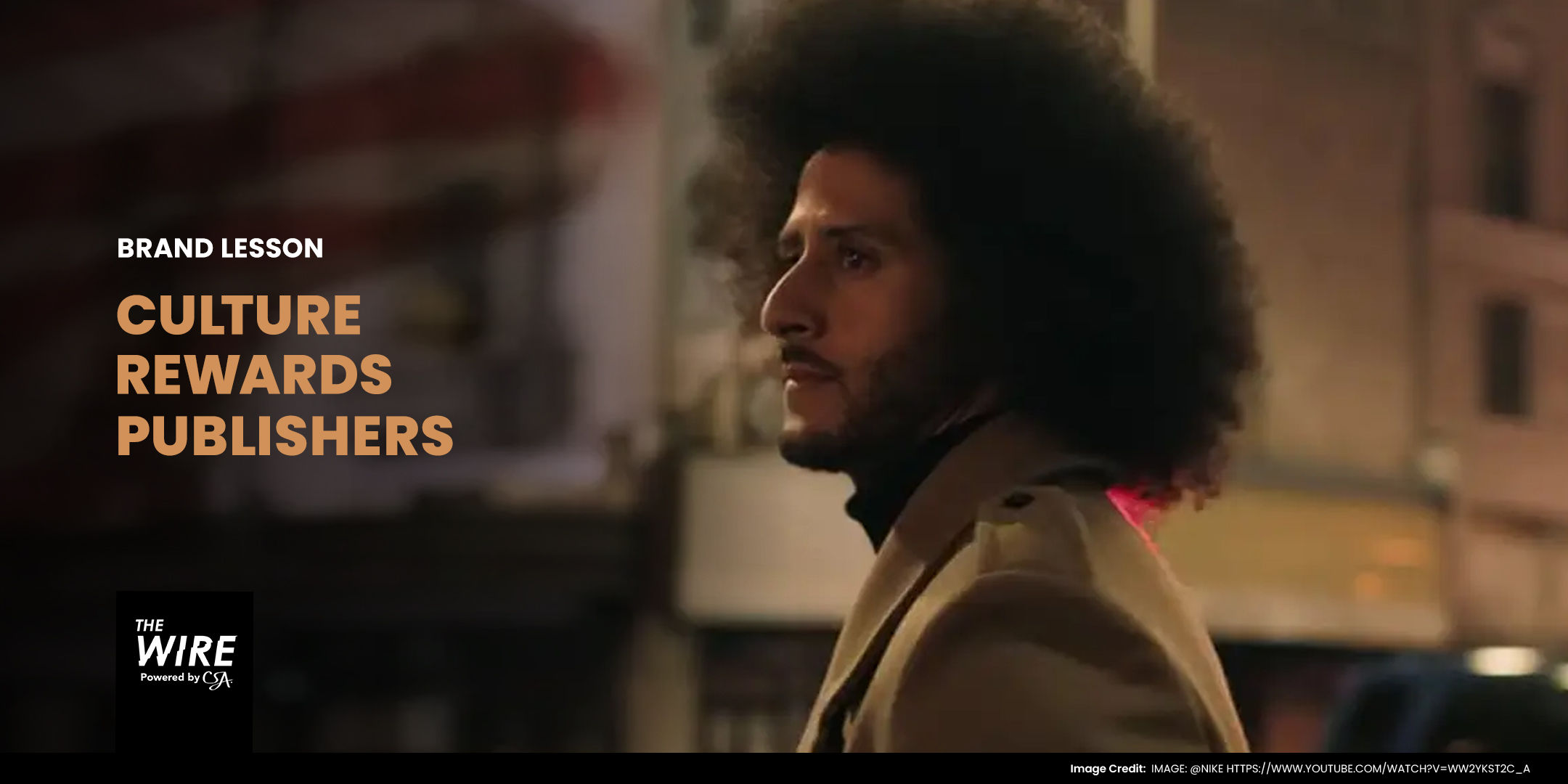
Brands that understand this don’t just advertise, they publish. Nike’s Dream Crazy and Red Bull’s extreme sports documentaries don’t interrupt culture, they become part of it. As a result, these formats drive 34% higher conversion rates than static advertising.
At the same time, traditional publishers are losing ground. Reuters reports declining search-driven traffic in 2026, while brands with strong owned channels are filling the gap. Among Gen Z, engagement now skews heavily toward brand-led platforms, 66% on YouTube and 63% on Instagram, with brands outperforming legacy media by 2x.
The biggest risk is invisible: ownership. Brands that rely solely on algorithms are renting attention. When formats go stale or platforms shift, relevance disappears. Already, 65% of consumers disengage from brands that fail to deliver fresh, evolving formats.
What the 2026 Media Model Looks Like
Winning brands are redesigning themselves around publishing, not posting.
- Editorial cadence matters. The most effective model mirrors modern media houses: five weekly content moments, typically three short-form pieces, one long-form story and one live or community-led activation. Spotify Wrapped is the benchmark. Its annual storytelling ritual drives 76% user retention, because it feels personal, cultural and anticipated.
- Talent must be owned, not outsourced. Brands are moving away from fragmented freelancer models and investing in in-house curators and community editors. Red Bull’s Media House employs 800+ global creators—filmmakers, journalists, athletes—producing extreme sports docs, events, and series. This owned talent network owns IP across formats, driving 34% higher engagement
- Monetisation is layered, not forced. Social commerce is projected to reach $1.3 trillion, with video delivering 1.6x higher ROI than static content. Gymshark’s community-driven documentaries outperform ads, generating 55% higher brand advocacy by inviting audiences into the story, not selling at them.
According to Dentsu, 87% of CMOs believe audiences are craving more creative humanity. The brands responding are reallocating up to 70% of their budgets to owned media, achieving 156% ROI compared to paid-only strategies.
The Risk of Staying Invisible
Without owned formats, brands have no leverage. Fyre Festival proved how fragile influencer-only hype can be, evaporating $100 million in perceived value. In contrast, Heineken’s Worlds Apart series showed the upside of bold IP, sparking conversation across cultures and delivering 800 million impressions through a narrative people wanted to engage with.
The Leadership Question
If your brand disappeared tomorrow, would people miss the content, or would the feed simply scroll on?
In 2026, communication is culture. How content is released, repeated, remixed and remembered defines relevance. Media brands will shape attention. Ad-only brands will fade into noise.
The shift is already happening. The only question is whether your brand is leading it, or reacting too late.