
- 48% of customers distrust influencers
- Networks outperform solo creators 4:1
- Micro-credibility drives 420% ROI
- Trust graphs deliver 156% returns
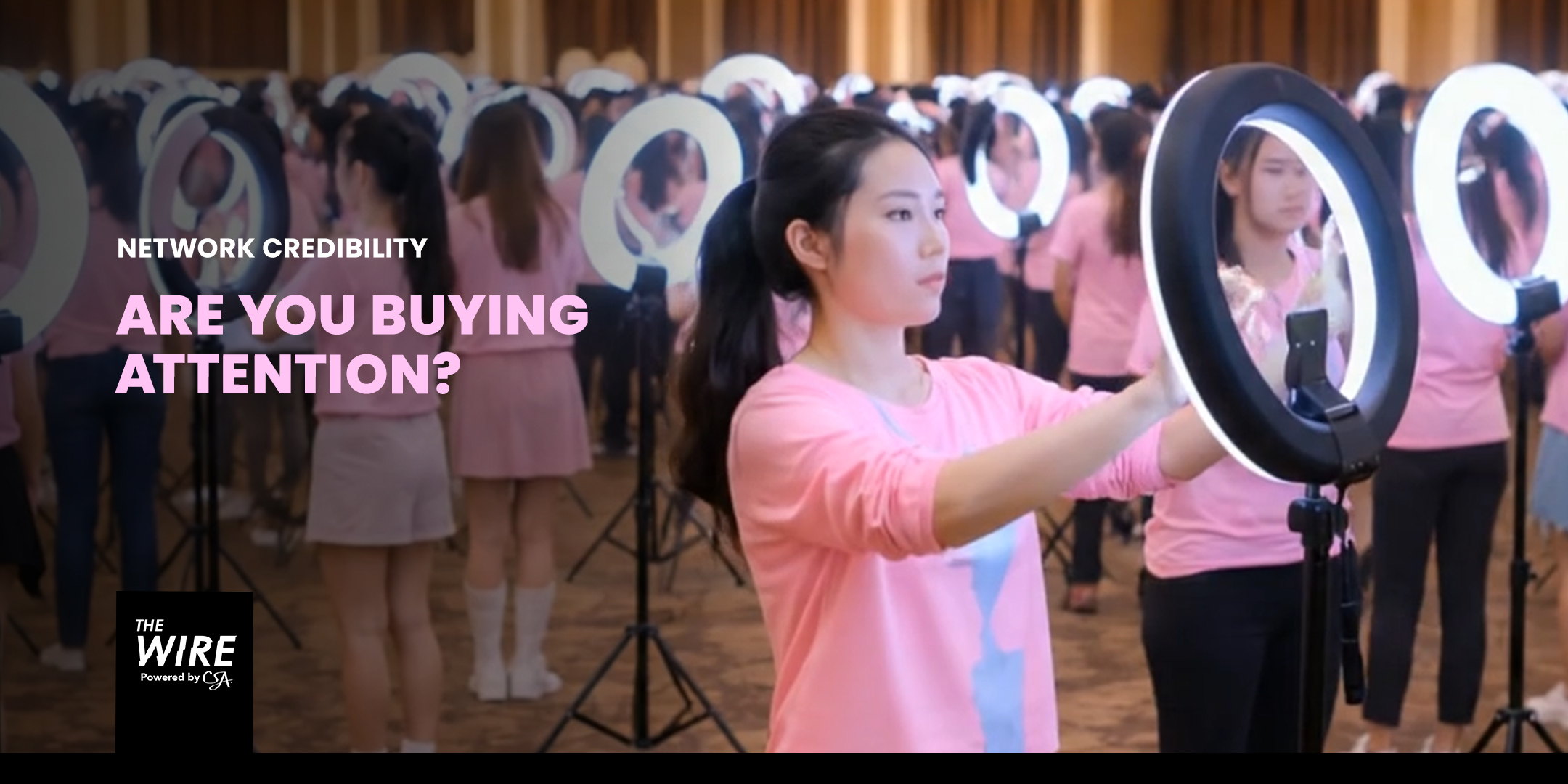
We are in a “Trust Recession”. The P.R from last year “Consumers favour authenticity over aesthetics”, has revealed itself as a nasty truth: 48% of customers distrust influencers. The shift is already clear. Credibility Density has emerged as the strongest trend for 2026. Brands built on networks of trusted micro-voices, are outperforming individual creators by 4:1.
The Hero Halo Is Fading
Single creators once commanded massive reach, but 2025 exposed the risk. High-profile controversies, from India’s Orry backlash to Elvish Yadav’s fundraising ethics probe and Twitch streamer Cece losing sponsors highlighted how quickly trust can collapse. As regulators step in, U.S Federal Trade Commission actions have contributed to a 62% decline in Gen Z trust in mega-influencers.
Harvard Business Review now cautions that reach without authentic alignment, rooted in expertise and integrity, actively erodes brand equity rather than building it.
Micro-Networks Multiply Trust
This is where Credibility Density wins. Nano and micro-creator clusters, typically with 1,000 to 50,000 followers, deliver 60% higher engagement and up to 420% ROI, driven by deeper, longer-term relationships rather than short spikes in visibility.
Goat Agency’s 2026 trends show that niche platforms increasingly reward expert nodes over mass broadcasting, a model now referred to as “trustfluence.”
Reachbird’s latest report reinforces this shift. Long-term partnerships built on human connection, rather than reach alone, deliver 3x higher conversion rate.
BSKYGrowth echoes the pattern, with TikTok creator pods consistently outperforming large Instagram “whales.”
How CMOs Should Architect Influence in 2026
The answer is not better tiers, but better systems.
- Map ecosystems, not followers. Tools like Klaviyo reveal that 67% of real influence sits in hidden network density, not top-line reach.
- Activate collectives, not individuals. Lululemon’s 2026 influence webs reduced customer acquisition costs by 35% across multiple markets by prioritising co-creation and community trust.
- Track trust flow, not vanity metrics. Dentsu reports CMOs using influence graphs see 156% ROI, compared to 40% from single-creator strategies.
In 2026, influence is no longer rented. It is built, mapped and sustained. You have to ask yourself, Are you buying influence, or are you buying borrowed trust that expires?