
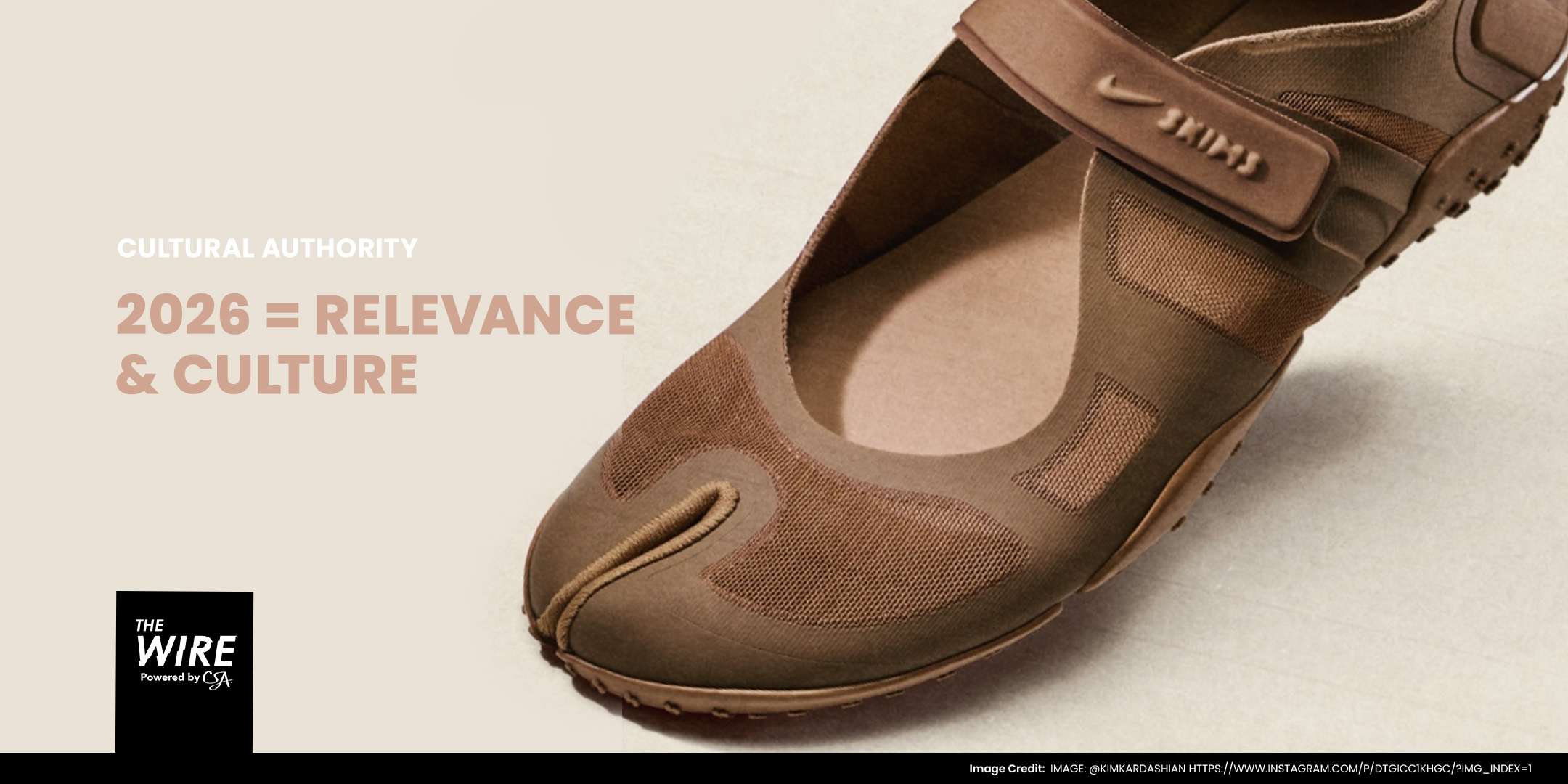
- Creativity has shifted from expression to advantage, with Gucci driving relevance and cultural authority.
- Momentum is measurable, as Fendi x SKIMS locked mindshare before audiences even warmed up.
- Celebrity only converts when paired with vision, proven by Louis Vuitton’s strategic storytelling.
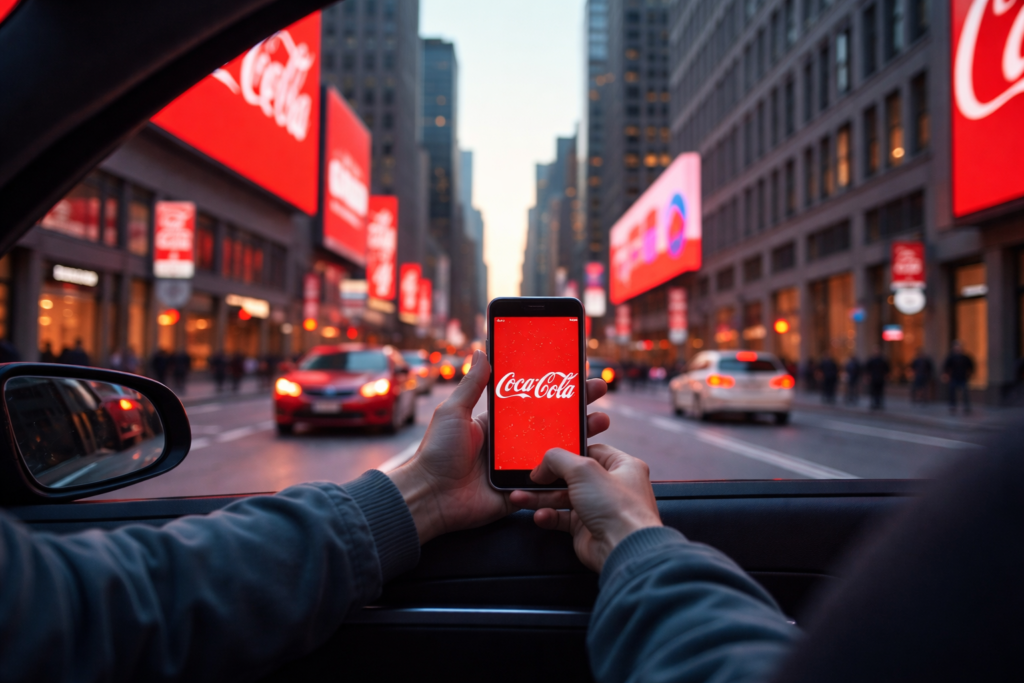
- Winning media now lives inside real moments, with Uber embedding brands into everyday experiences.
2026 did not ease in quietly. It arrived with intention, scale, and cultural confidence. Within the first weeks of January, global brands made one thing clear: creativity is no longer a layer added at the end of strategy, it is the strategy. From fashion houses rewriting visual language to mobility platforms reinventing advertising itself, the opening moves of 2026 signal a decisive shift in how brands compete for attention, relevance, and cultural authority.
Fashion goes hard with Fresh signatures and Celebrity appeal
Luxury fashion once again set the pace. Gucci, Louis Vuitton, and Dior dominated early media cycles with Cruise and Spring 2026 campaigns that leaned heavily into narrative contrast, craftsmanship, and spectacle. Gucci’s Cruise 2026 collection, lensed by Dudi Hasson, blended bold bohemian elegance with a visual confidence that cut cleanly through crowded feeds, reinforcing how fashion media still rewards strong aesthetic conviction.
Louis Vuitton took a more playful yet referential route, juxtaposing Middle Ages symbolism with glam rock in its Cruise 2026 campaign, while its Spring–Summer 2026 Men’s Pre-Collection used unexpected dog motifs to soften luxury codes without diluting brand prestige. Dior followed with Spring 2026 look books and handbag campaigns starring Deva Cassel, supported by Jonathan Anderson’s design language, proving that celebrity alignment remains most powerful when anchored to fresh creative signatures rather than fame alone.
What’s notable isn’t just the visual excellence, it’s the timing. These launches landed early, aggressively claiming cultural mindshare before audiences could settle into the year. In 2026, momentum itself has become a competitive advantage.
Tech and Mobility Innovation. Tomorrow…served today.
Beyond fashion, innovation is accelerating where culture meets utility. Uber’s launch of the “Journey Takeover” ad format, developed with Coca-Cola, represents a pivotal evolution in contextual advertising. By integrating brand messaging seamlessly from trip start to destination, Uber transformed everyday mobility into a high-attention, non-intrusive media environment. It’s a clear signal that platforms owning moments, not screens, will define the next phase of brand engagement.
Collaboration is the way. Partner up.
Collaborations continue to act as cultural accelerants. Nike’s après-ski partnership with Jacquemus and H&M’s Spring–Summer 2026 Paris Fashion Week previews reinforced how seasonal relevance and creative alignment now outperform volume-led drops. Adforum’s early January roundup, featuring standout campaigns from Alpine A390 by Anomaly and Iberia, further underlined that automotive and travel brands are no longer observers of culture, they are active participants.
The power of Celebrity. It’s still a thing.
And then there is the enduring power of celebrity, now sharpened by scarcity and speed. SKIMS x Nike launched their first-ever footwear line, NikeSKIMS Rift Mesh, on January 13, featuring Kim Kardashian’s influence with body-obsessed designs in limited colors that sold out fast.
Pushing the brand even harder for 2026, SKIMS partnered for 2026 Winter Olympics apparel alongside Ralph Lauren and J.Crew, leveraging celebrity ties for patriotic, limited-edition sportswear. The collection is showcased by a powerful assortment of Team USA athletes, including World Ice Dance champion Madison Chock and World Cup gold medalist bobsledder Kaysha Love.
The lesson is clear. In 2026, brands don’t win by shouting louder. They win by understanding culture deeper, moving faster, and designing experiences that audiences choose to step into. Creativity has become infrastructure, and cultural relevance is no longer optional, it’s the price of entry.