
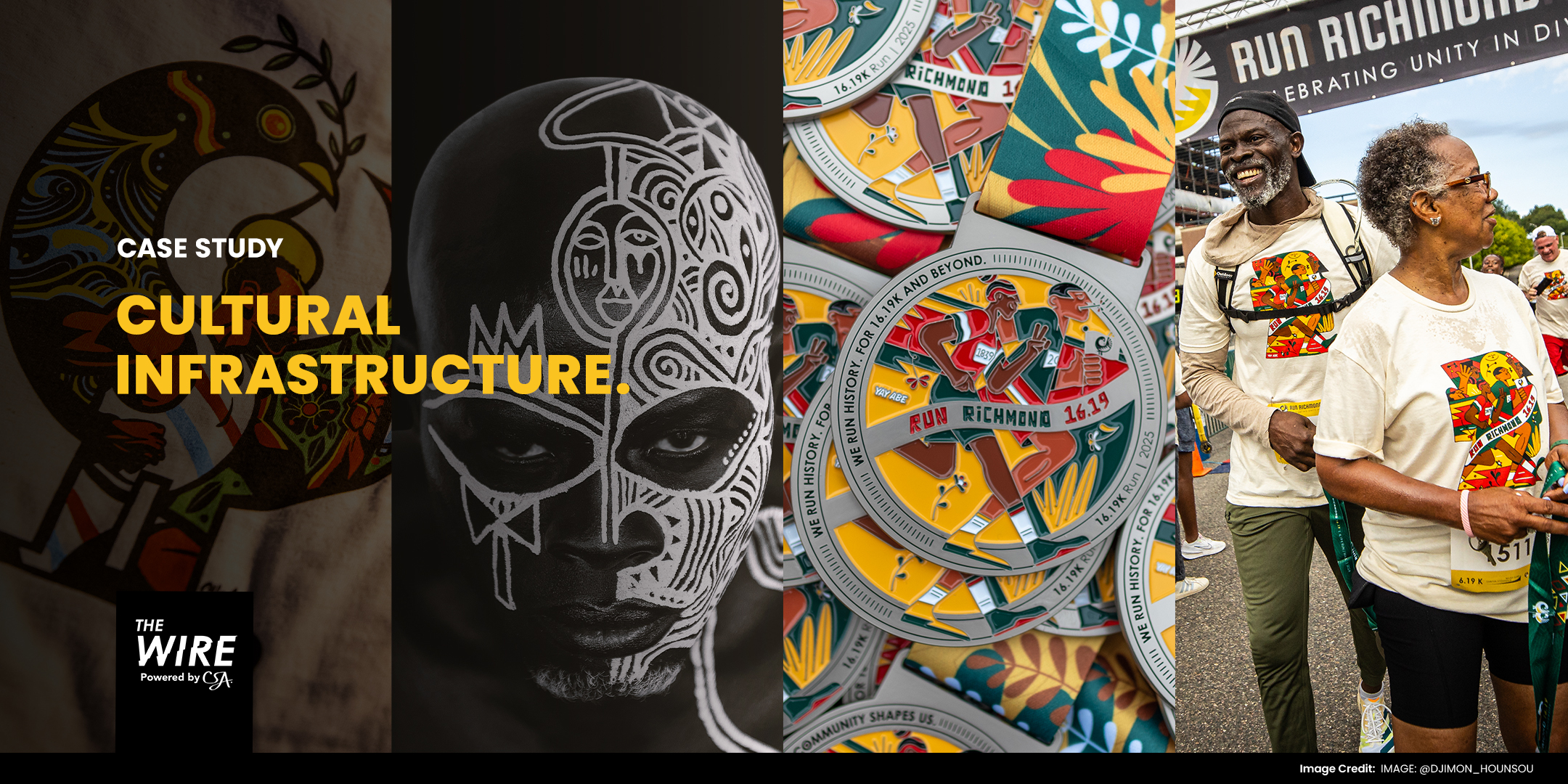
- Innovative Commissions by African and African American artists bridge the diaspora
- Partnerships with C.S.A. Global activate artists Láolú Senbanjo and Yay Abe to global conversations
- Art repositions Africa as progressive, innovative, culturally sovereign
- Art as strategy heals history and reconnect communities
Art as Cultural Infrastructure
In the global attention economy, culture is capital. For African and diaspora-led institutions, art is not aesthetic garnish, it is strategic infrastructure.
This truth sits at the heart of the Djimon Hounsou Foundation’s (DHF) creative collaborations, most notably with African artists Láolú Senbanjo, Yay Abe, and Chris Visions, alongside C.S.A. Global as a strategic partner.
At its core, this is not philanthropy marketing. It is cultural strategy, demonstrating how creative practice becomes narrative power – healing fragmentation, reconnecting memory, and reshaping perception.
Reframing the African Narrative
For centuries, the African continent and its diaspora have been framed through deficit narratives, conflict, displacement, and struggle. DHF’s approach flips that script. Through strategic commissions of continental African and African American artists, the foundation builds visual bridges across the diaspora, positioning Africa as progressive, innovative, and aesthetically sovereign.
In a world shaped by digital transformation, blockchain, and creator economies, DHF’s collaboration with Nigerian artist Láolú Senbanjo, renowned for his work on Beyoncé’s Lemonade, exemplifies this future-forward positioning.
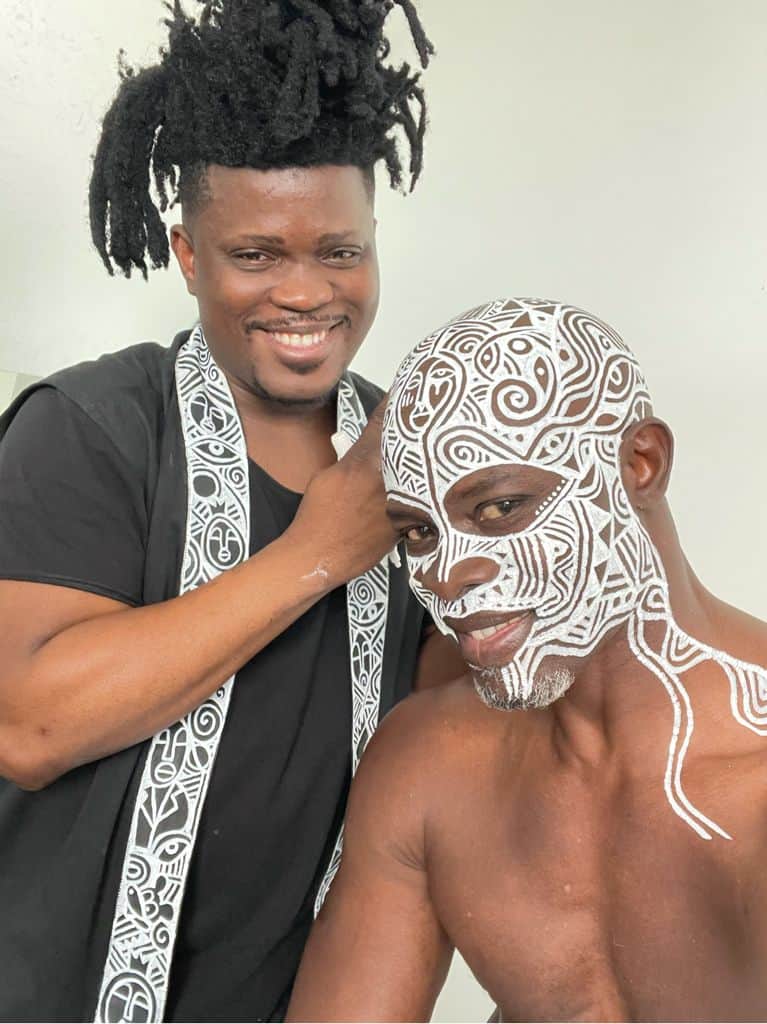
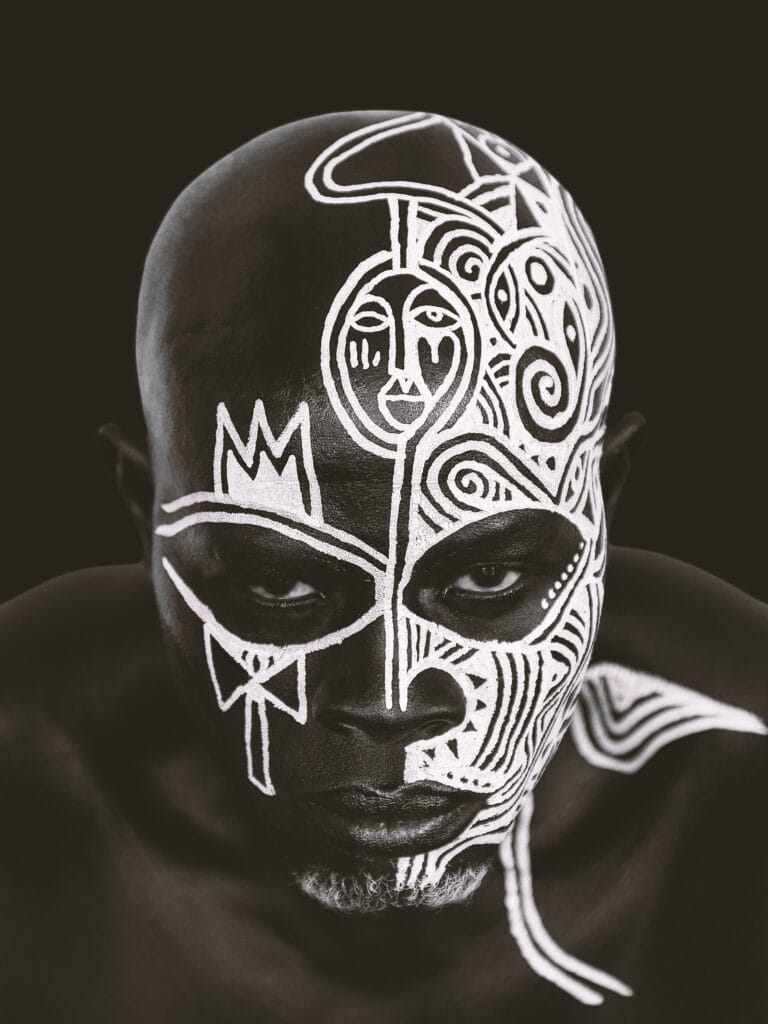
Láolú brought his signature “Sacred Art of the Orí,” a Yoruba-rooted practice centered on aligning with one’s destiny and awakening the divine within. Symbolic patterns representing wisdom, compassion, and liberation were painted onto Djimon’s head, hand, and shoulder, transforming his body into a living canvas.
The Time To Heal NFT series merged Yoruba spirituality with Web3 technology, launching on the Binance NFT Marketplace. This was more than a digital art drop — it was a pan-African narrative intervention, fusing tradition, identity, and innovation.
C.S.A. Global’s role was catalytic, animating sacred designs, translating cultural heritage into immersive digital storytelling, and amplifying the work across global marketplaces. It reflects C.S.A.’s philosophy in action: culture as strategy, creativity as currency, and narrative as enduring infrastructure.
Diaspora Connectivity as Brand Architecture
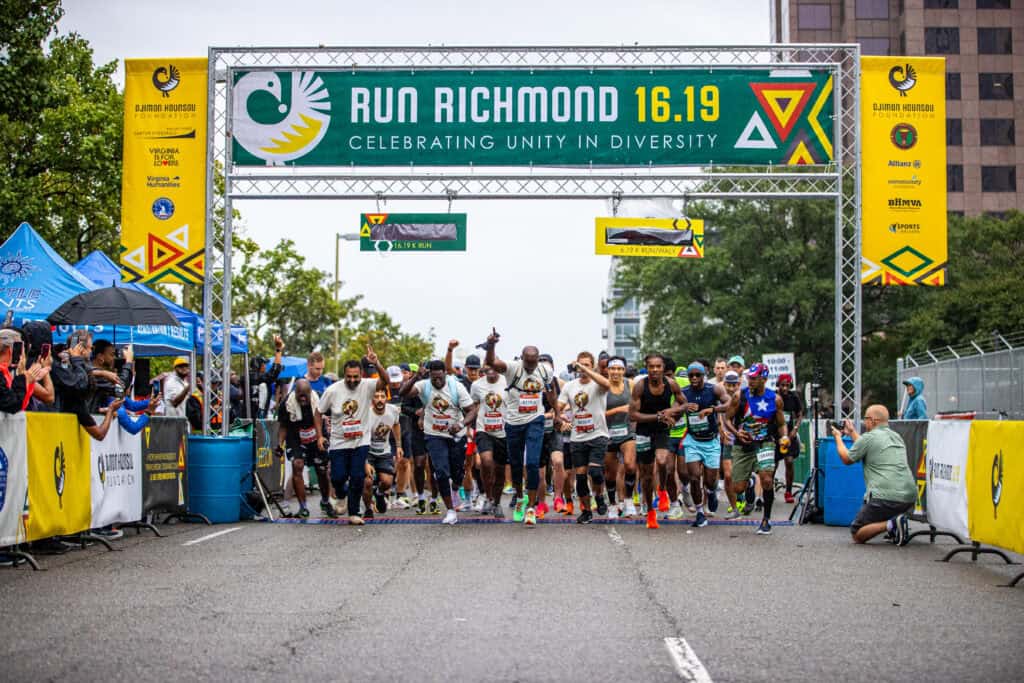
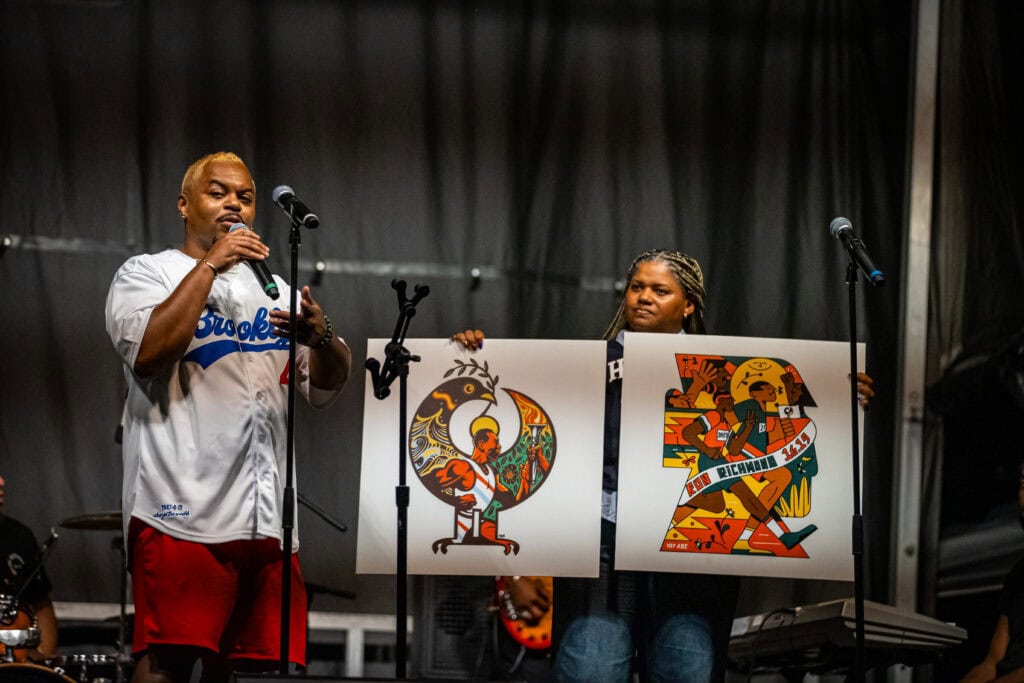
The foundation extended this approach through its collaboration with South African artist Yay Abe in 2025, who designed the official race t-shirt for Run Richmond 16.19, an historic run tracing more than 400 years of Black history in Virginia, USA.
Participants wore Abe’s contemporary African art t-shirts across former sites of enslavement, creating a powerful visual dialogue between past and present. Aesthetic expression became a vehicle for remembrance and reclamation.
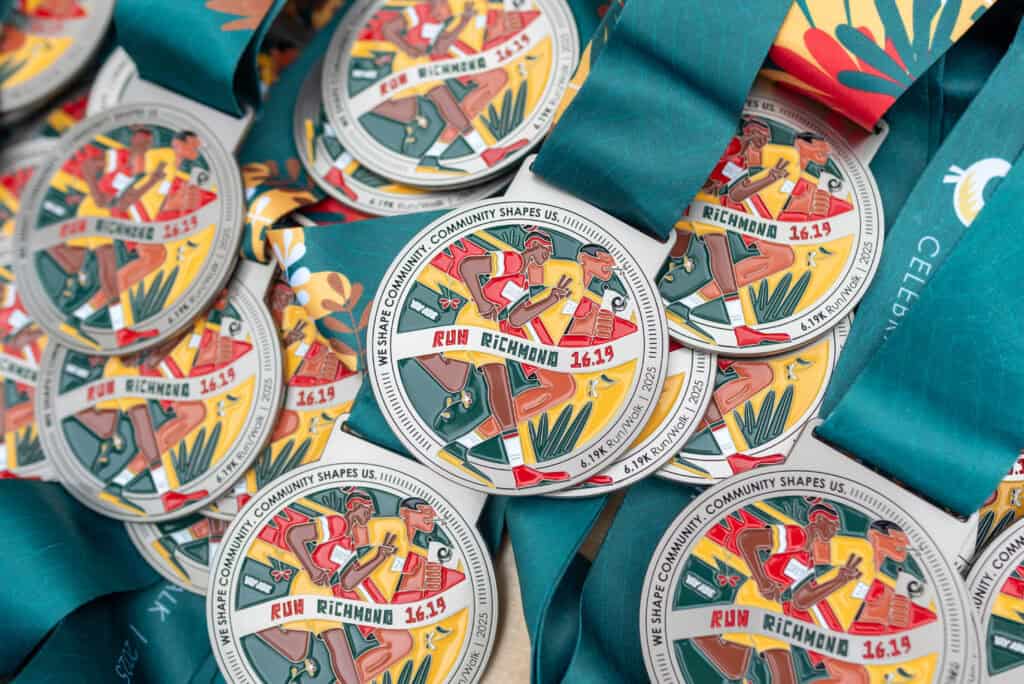
In these moments, art did not merely commemorate history, it activated it, moving beyond merchandise, to become symbolic connective tissue between continent and diaspora. The design also evolved into commemorative medals, reinforcing continuity and legacy.
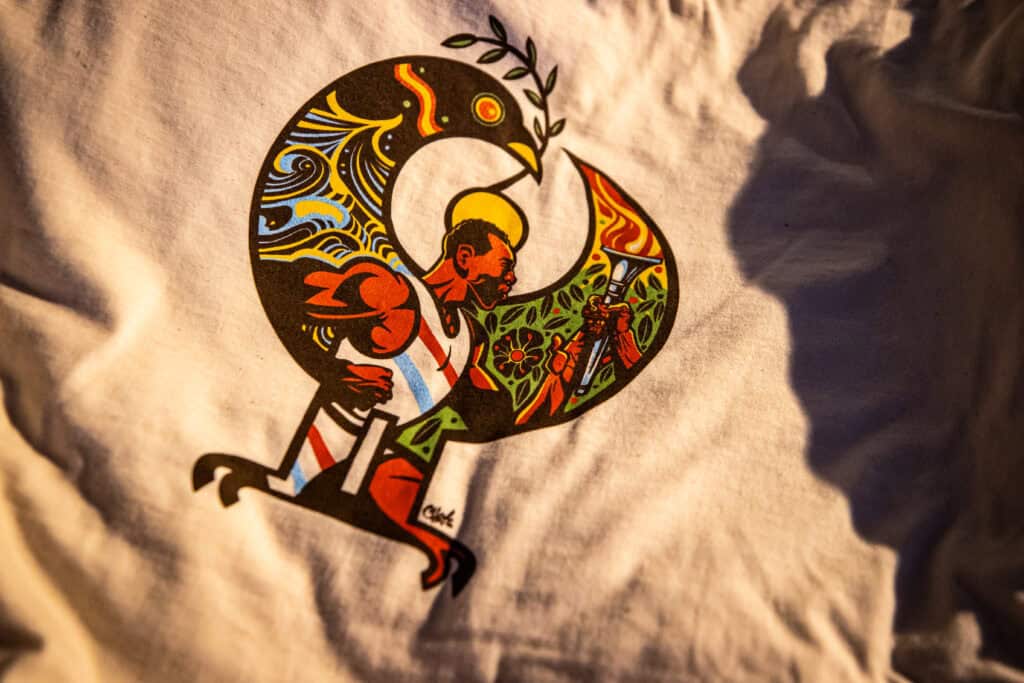
Most recently, Richmond-based illustrator Chris Visions honoured Jesse Owens within a Sankofa motif, embedding the West African principle of “looking back to move forward” into a contemporary Black excellence narrative. Again, art functioned as strategic storytelling, not decoration.
Cultural Operating Systems
“Partnerships like ours with C.S.A. Global unlock access to progressive African artists who do more than create beautiful design, they shift perceptions. Through their work, Africa emerges as forward-looking and deeply rooted in evolving, sophisticated traditions. Together, we frame the continent and its diaspora through beauty, innovation, and resilience, a powerful collaboration between cultural exchange and over two decades of Pan-African storytelling expertise.”
Max Plank – DHF Program and Marketing Director.
What emerges from these collaborations is not a campaign framework, but a cultural operating system.
C.S.A. Global operates at the intersection of cultural intelligence, creative direction, and brand strategy. Its work with DHF illustrates three core capabilities: cross-continental cultural brokerage, the repositioning of narratives through African excellence, and the conversion of heritage into scalable digital and physical assets.
For CMOs, foundations, and purpose-led brands, this signals a broader industry shift. Culture-led partnerships are proving more enduring than transactional influencer campaigns. Authentic African storytelling continues to drive global engagement, while Web3 ecosystems, NFTs, and experiential activations are extending diaspora connectivity beyond geography.
“U.S. brands increasingly recognize that cultural relevance in Africa and across the diaspora cannot be outsourced to trend. It requires stewardship. CSA serves as the strategic gateway – aligning brands, artists, and institutions through frameworks that protect cultural integrity while unlocking global impact. When done properly, art becomes more than expression – it becomes infrastructure.”
Brannon Phiilips – Managing Partner CSA.GLOBAL – Los Angeles, CA
Why This Matters Now
In 2026 and beyond, brands competing in saturated markets will need to move beyond symbolic representation and embed cultural authenticity into their core architecture.
DHF’s work demonstrates that African creative leadership is not peripheral to global discourse, it is central to it. Through C.S.A.’s strategic partnership model, art becomes diplomacy, memory becomes momentum, and cultural equity translates into measurable impact.
The future of brand influence will not be defined by reach alone, but by resonance, and resonance is built through culture.