
- Participation is no longer enough.
- Consumers want proof they matter.
- The next era of belonging is influence.
- If nothing changes because your community showed up, you don’t have a community. You have an audience.
For the past decade, brands have been obsessed with participation. Join the conversation. Share your story. Vote for your favourite. Tag a friend. Become part of the community. Consumers did exactly what brands asked. Now they’re asking something back: What changed because I showed up?
The biggest shifts in culture today.
The first era of community was participation. The next era is influence. People no longer want to simply engage with brands. They want evidence that their voice shapes them. They want to see fingerprints, not just footprints.
In short, consumers no longer want to belong to communities. They want the ability to change them.
Participation has become abundant. Every platform offers a way to comment, react, vote, or contribute. But contribution without impact eventually feels hollow.
The modern consumer isn’t looking for a seat at the table.
They’re asking whether the table moves when they speak.
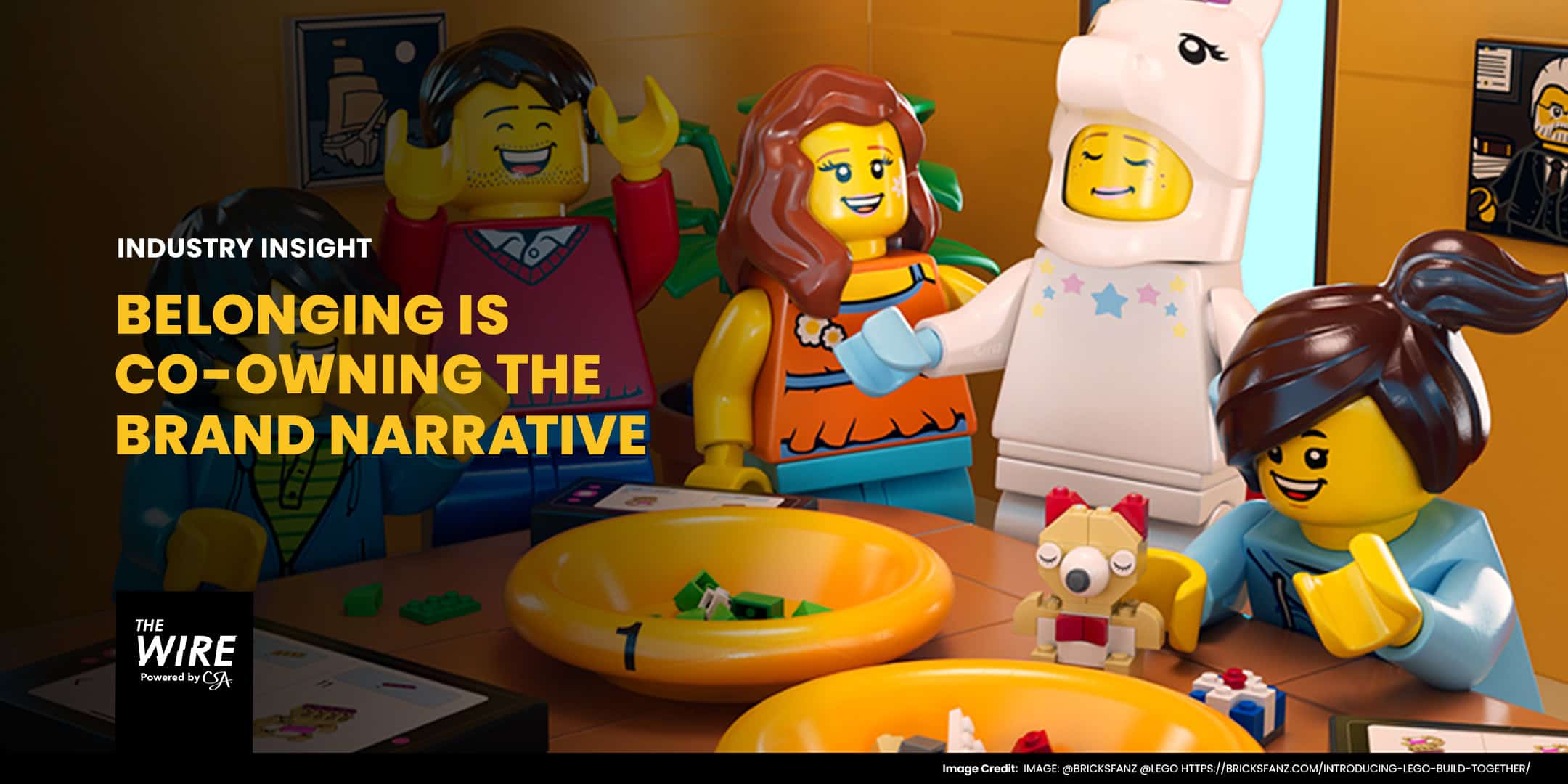
Few brands understand this better than LEGO.
Through LEGO Ideas, fans submit concepts and help determine which sets reach the market. The result isn’t engagement. It’s influence, where consumers can point to a product on a shelf and say: “I helped make that happen.”
That is a fundamentally different form of belonging.
The same principle is increasingly shaping creator economies, gaming communities, and open-source software. The strongest communities today don’t simply reward participation.
They reward contribution.
The profund implication for Brands.
For years, belonging was measured through sentiment:
How many followers? Number many comments? Growth of members?
But those metrics increasingly tell us very little. The smarter question is: How much influence does your community actually have?
Can they shape products? Influence decisions? Challenge your thinking and see the results?
Because belonging is no longer a feeling alone. It is becoming a form of agency.
For CMOs, this changes the brief.
Don’t just build fan clubs. Build influence systems.
Create design councils. Open feedback-to-product pathways. Invite cultural stakeholders into the room before the campaign is finished, not after it launches.
And most importantly, stop measuring belonging as sentiment alone. Don’t measure belonging by participation. Measure it by influence.
- How many products were shaped by the community?
- How many campaigns were co-designed with cultural voices?
- How many decisions moved because people spoke up?
The brands that will thrive in the years ahead won’t build larger fan clubs. They’ll build systems that allow people to participate in shaping what comes next. Because people support what they help build.
The Bottom Line:
In 2026, belonging is no longer about gathering around the brand. It’s about helping write its future. And if your audience can’t change you, they don’t truly belong.
They’re just visiting.