
- Corona generated 4.1 billion impressions during the Paris Olympics.
- Running clubs are replacing dating apps.
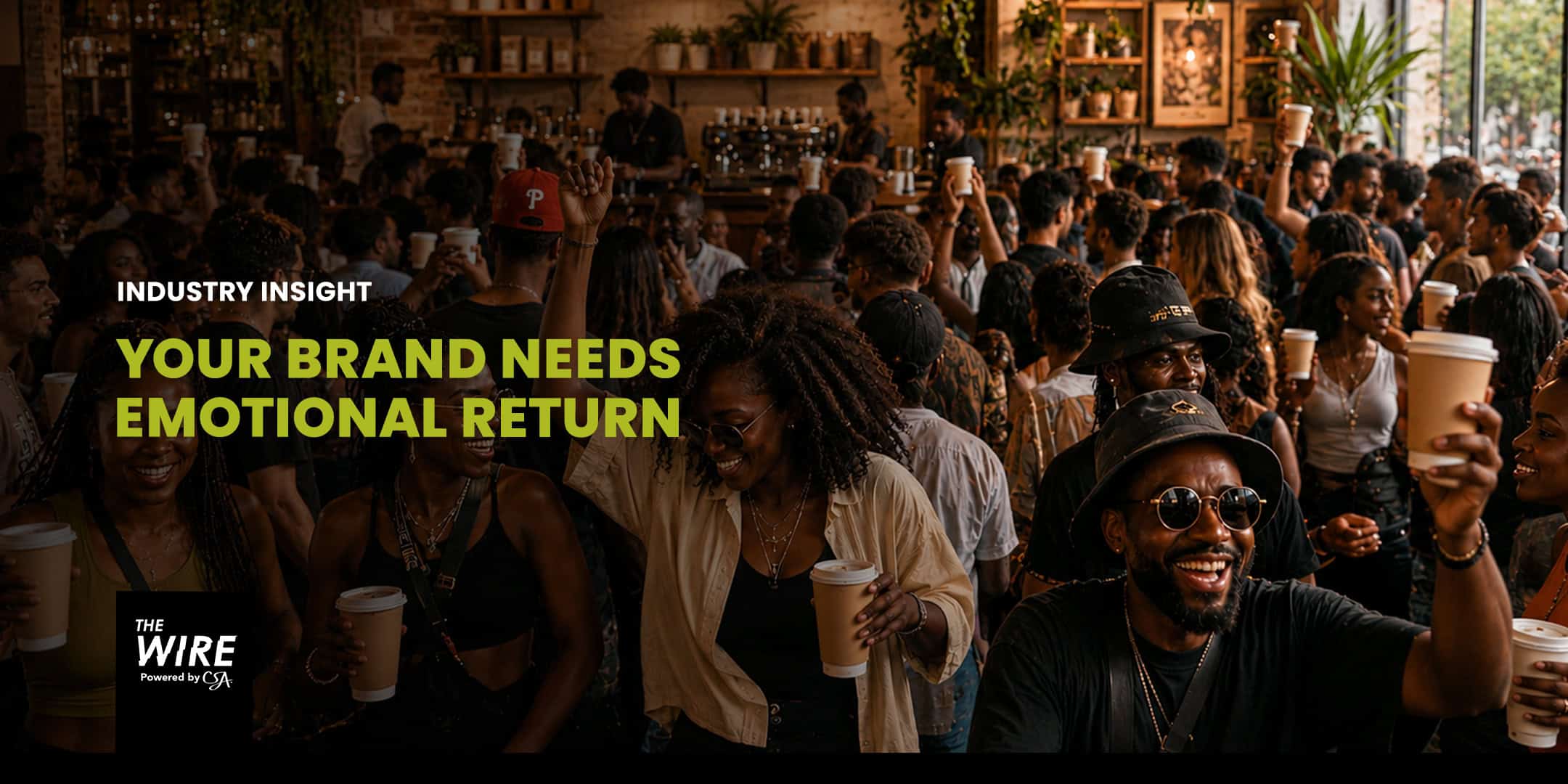
- Cafés have become offices, social clubs, and emotional refuge.
- The culture of gathering is back.
The brands winning in 2026 are no longer simply fighting for attention. They are fighting to become part of people’s lives.
Because in a culture shaped by loneliness, digital fatigue, and passive scrolling, people are craving something the internet cannot fully replicate: Presence.
This is driving one of the most important shifts in modern brand-building: the rise of the “Third Place” – environments beyond home and work where people gather, linger, participate, and feel connected to something larger than themselves.
Brands are now stepping into that role.
The most culturally relevant brands today are no longer acting like advertisers. They are behaving like social infrastructure. That is the shift.
For years, brands competed on visibility: reach, impressions, interruption. But the next era of relevance is being built around something far more powerful: the power of being together.
Can your brand create a space people genuinely want to return to? Because products are easy to copy but community is not.
We are already seeing this everywhere. Running clubs have evolved into modern social ecosystems. Wellness spaces are replacing nightlife for younger audiences. Padel clubs are becoming cultural communities as much as sporting venues. Coffee shops have quietly transformed into hybrid environments for work, creativity, and belonging.
Even retail is changing shape.
Apple Stores function less like stores and more like gathering environments. Soho House built an entire business model around curated belonging. Across industries, brands are discovering the same truth: People stay where they feel something.
This is why experiential strategy is evolving beyond activation. The old model was temporary attention while the new model is repeatable emotional return.
Few brands illustrate this better than Corona.
Corona Sunsets has evolved beyond sponsorship into something more culturally powerful: social architecture. Once audiences understand the emotional rhythm of the experience — sunsets, music, atmosphere, openness, human connection — the event stops behaving like a campaign and starts functioning like a ritual.
And rituals matter. Because rituals create anticipation. Anticipation creates memory. And memory creates return behaviour.
That is the difference between an event people attend and a space people emotionally attach themselves to.
The commercial impact is becoming impossible to ignore.
During the Paris Olympics, Corona’s “For Every Golden Moment” platform generated 4.1 billion impressions, achieved a 17% engagement rate, and captured 38% share of voice among Olympic sponsor activity. But the deeper success was not visibility alone. It was the creation of physical cultural spaces like Casa Corona and the Corona Cero Golden Beach beneath the Eiffel Tower – environments designed for gathering, participation, and emotional connection.
Because the most important metric of the next decade may not simply be attention. It may be “return”.
In the loneliness economy, brands that create belonging hold a genuine strategic advantage.
For brand leaders, the question is no longer:
“How do we get seen?”
It is:
“How do we become a place people want to come back to?”
That requires a different kind of thinking:
- Design for dwell time, not just footfall.
- Build rituals, not activations.
- Reward participation, not passive presence.
- Create emotional familiarity, not just exposure.
The Bottom Line
The future belongs to brands that understand a simple truth: the most powerful spaces are not the ones that host audiences, they are the ones that make people feel they belong there.