
- 1.3 billion youth will rewrite markets
- The loneliest, most anxious generation ever
- Youth culture is glitching brand emotions
- Campaigns must reduce anxiety, not noise
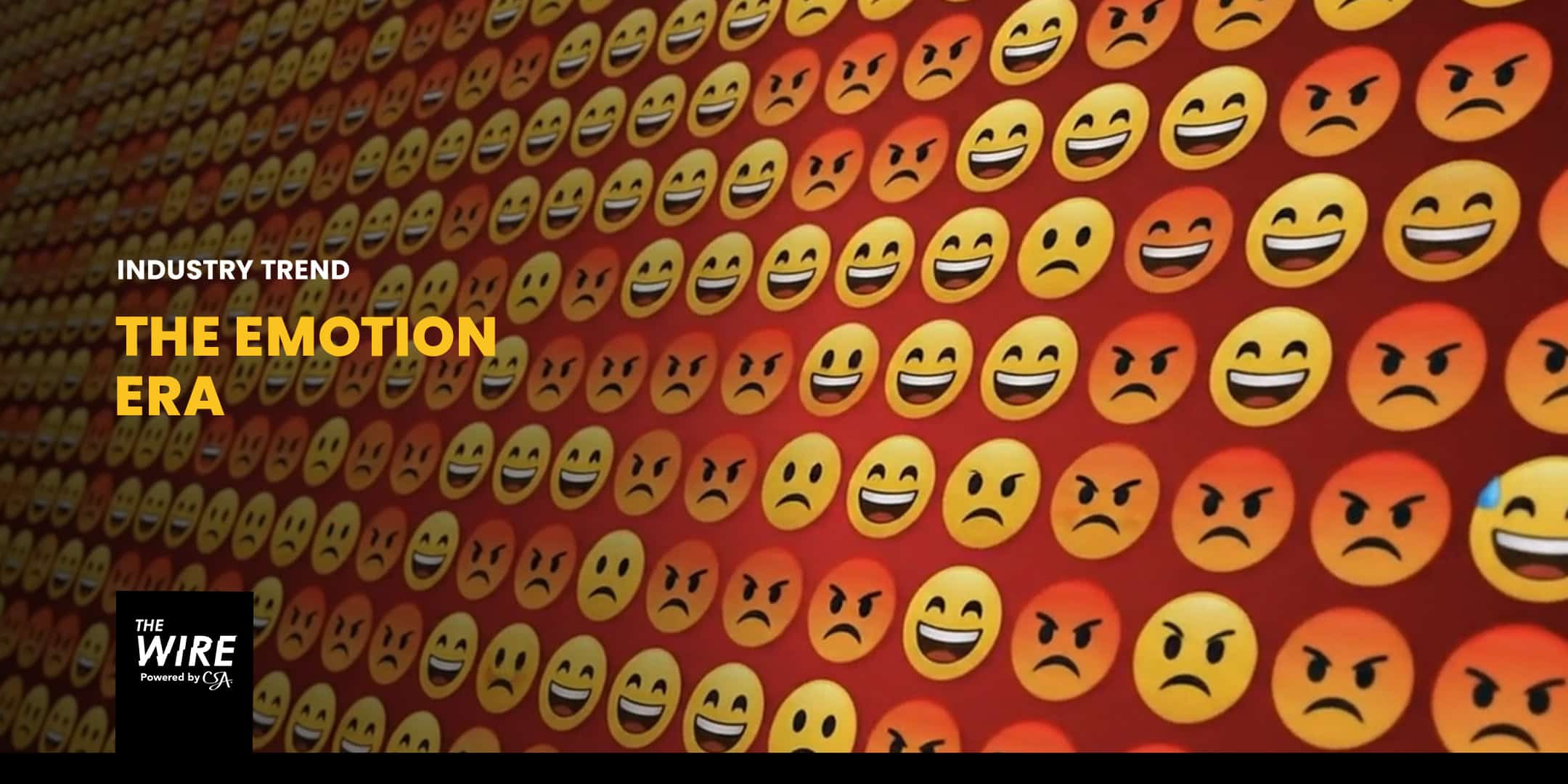
Youth culture in 2026 is no longer a demographic; it’s an emotional operating system built around anxiety, agency and algorithmic identity, and culture marketing is either translating that for brands or becoming background noise.
What “youth culture” means now
Young people (15–24) now exceed 1.2 billion globally, with numbers tracking towards 1.3 billion by 2030, making them the structural force in culture, not the fringe. Studies in 2026 describe “the loneliest youth we’ve ever had,” with Gen Z reporting the lowest mental health scores and retreating from night-time economies into digital safe rooms. At the same time, 95% of teens have smartphones, nearly half are online “almost constantly,” and AI is embedded in their learning, work and creative lives.
Youth culture is now defined by:
- Always-on anxiety (polycrisis, economic volatility, safety). squareholes+1
- Values-first decision-making around climate, equity and ethics.
- Identity fluidity and visible vulnerability as social currency.
- A creator mindset: portfolio careers, side hustles, micro–enterprise.
In 2027, this shifts from “Gen Z” to behaviour segments: anxious optimists, AI-native builders, and values maximalists shaping culture across ages, not just within youth.
Where culture marketing fits
Culture marketing’s job is no longer to “tap into youth trends”; it’s to reduce emotional friction and increase cultural safety. Successful brands are acting less like broadcasters and more like infrastructure, building spaces, tools and rituals youth can co-own.
What this looks like:
- A youth platform using weekly “digital culture briefings” to decode new slang, micro-communities and threat vectors (e.g., looksmaxxing, Therians, new social apps), and then turning that into safety-led product and communication tweaks.
- Global fashion and entertainment brands leaning into values-driven collabs, where sustainability and identity representation are treated as entry tickets, not campaign themes. accio+1
For African markets, this is even sharper: youth are both cultural export (music, fashion, content) and internal opposition, demanding brands show up in township, campus and creator spaces with tangible support, not just visuals.
Real-world signals CMOs should read
- Clubs and venues report that young people “are no longer going out to parties” – evidence of a retreat from traditional nightlife into hybrid, safer formats.
- Deloitte’s recent youth surveys show over 60% of Gen Z report climate anxiety and factor sustainability into work and purchase choices.
- Creator-economy participation and side hustles are becoming default, with youth combining freelance, content, and micro–commerce for income resilience. squareholes+1
These are not soft trends; they’re indicators that youth culture is migrating from passive consumption to active self-protection and co-creation.
Three Innovation-led moves for CMOs (2026–2027)
- Culture Safety Labs (CSLs)
Create a standing “culture safety lab” that pairs youth creators, psychologists and data analysts to stress-test campaigns, brand behaviours and product features for emotional impact before launch. Treat this like an always-on ethical UX of culture and ask (always): “Does this reduce anxiety and increase agency?” ndwtech+1 - Algorithmic Co-Ownership Programs
Move beyond UGC contests. Build mechanisms where youth can literally shape recommendation logic, curated playlists, content feeds, and product drops where their inputs adjust your discovery algorithms in real-time. This turns “engagement” into shared control of the cultural lens your brand uses. squareholes+1 - Micro-Ritual Infrastructure in Community Spaces
Instead of single big tent activations, invest in small, repeatable rituals in schools, campuses, and local creator hubs, weekly listening rooms, mental health check-in corners at events, AI-skills clinics powered by your brand tools. The innovation is not the event; it’s the infrastructure of emotional care baked into culture touchpoints. squareholes+1
The Bottom Line: If youth culture is the emotional OS of the next decade, the brands that win in 2027 won’t just speak its language, they will quietly rewrite their own systems to run on it.