
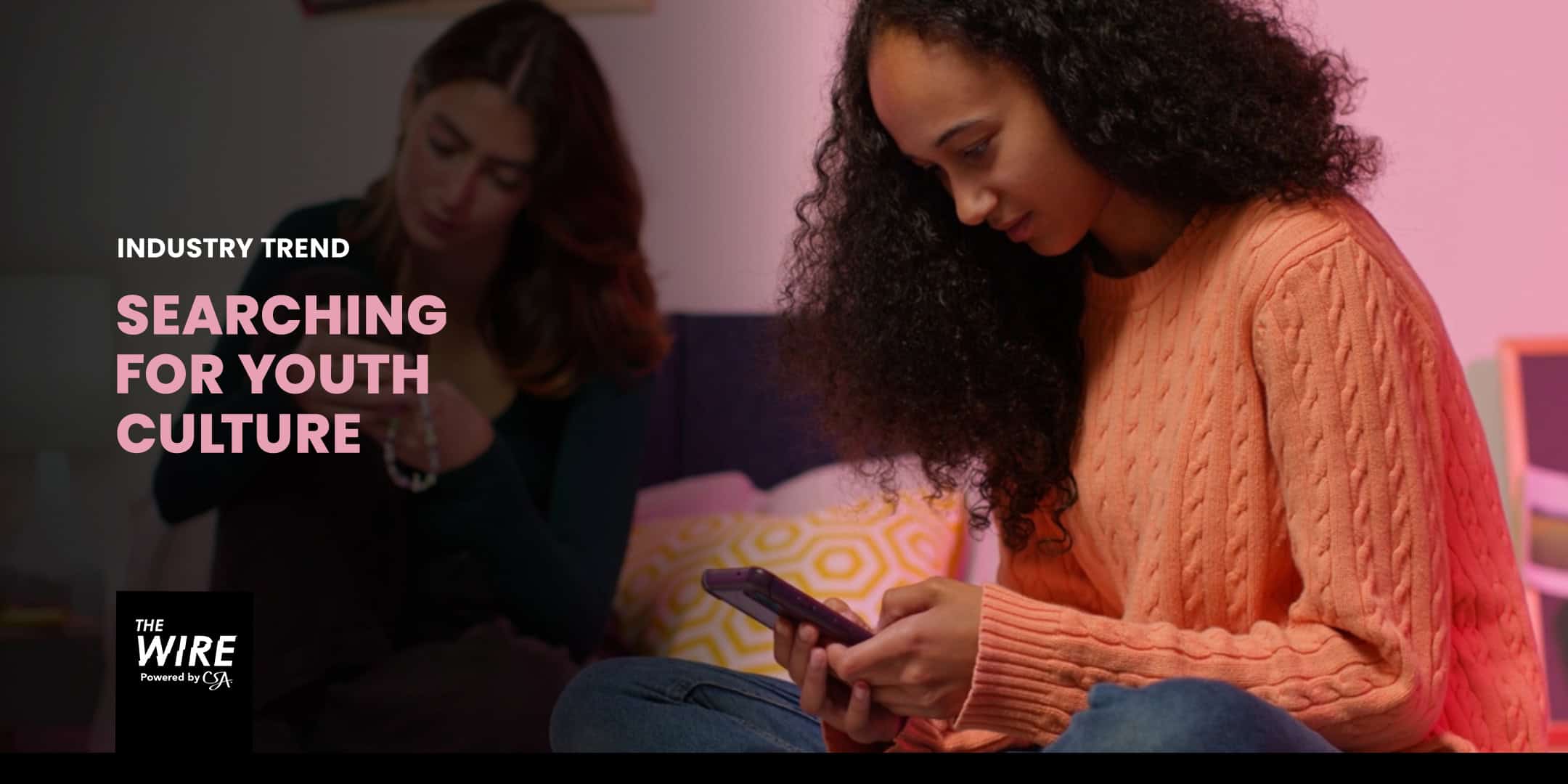
- Youth culture is disappearing from the feeds brands depend on.
- The next battle for market share won’t be won by the biggest media budget.
- Your dashboards are about to tell a smaller story.
- The era of “make it go viral” is ending.
For years, brands have operated on one assumption: If you’re on social media, you’re part of youth culture. That assumption is about to break.
Governments across the UK, Australia and Europe are introducing laws that restrict under-16s from mainstream social platforms while targeting the addictive mechanics that have fuelled digital engagement for years: infinite scroll, autoplay and algorithm-driven feeds.
This isn’t another platform update. It’s a structural reset for culture marketing.
And if CMOs don’t pivot now, they risk losing more than reach. They risk losing cultural relevance, and eventually, market share.
Youth Culture Isn’t Disappearing. It’s Moving.
The debate has focused on child safety, mental health and wellbeing. Research linking excessive social media use to anxiety, disrupted sleep and poorer mental health has given regulators the mandate to act.
But marketers should be asking a different question: What happens when your future customers can’t legally discover your brand?
The answer isn’t that youth culture disappears. It simply moves. Instead of public feeds, culture will increasingly be created inside gaming ecosystems, messaging apps, schools, local music scenes, campuses and niche communities, places where algorithms have less influence and brands have far less access.
Culture isn’t becoming smaller. It’s becoming more challenging to create, predict, intercept and amplify.
Virality Is No Longer the Goal
For years, the brief was simple: “Make it go viral.” By 2027, that mindset could become a liability. As regulators scrutinise engagement mechanics designed to maximise compulsion, brands won’t just be judged on how much attention they capture, but how they actually capture it.
The winners won’t be those generating endless scroll. They’ll be the brands creating genuine participation, creativity and belonging. That’s a very different marketing strategy.
The Smartest CMOs Are Already Rebuilding
The brands pulling ahead aren’t waiting for regulation to force change.
- They’re shifting from followers to fandoms.
- From rented audiences to owned communities.
- From campaigns to culture ecosystems.
- They’re investing in creators, artists, esports, festivals, gaming, live experiences and community movements that people actively choose to join.
- In South Africa, that means embedding brands inside the cultural movements shaping Amapiano, Maskandi, hip hop and township culture, not simply advertising around them.
Social media becomes the amplifier. Not the birthplace. That’s the strategic shift many brands still haven’t recognised.
Your Dashboards Are About to Lose Their Edge
The next casualty is data.
As age assurance and privacy rules tighten, behavioural insight from younger audiences will become increasingly limited. The dashboards that once promised precision will tell a smaller story.
The brands that win won’t rely on bigger datasets.
They’ll build better cultural intelligence.
- Community participation.
- Co-creation.
- Event attendance.
- Creator collaboration.
- Advocacy.
- Sentiment.
These aren’t “soft” metrics. They’re leading indicators of long-term brand growth.
Culture Has Become Your Competitive Advantage
The greatest risk facing CMOs isn’t declining organic reach. It’s believing yesterday’s platforms will deliver tomorrow’s influence. Because culture has never belonged to algorithms. Algorithms simply made culture easier to find.
The brands that continue optimising for shrinking attention will slowly become less relevant. The brands that invest in communities, creators and real-world cultural participation will become the ones shaping what people care about next.
By 2027, culture-led marketing won’t be about chasing attention. It will be about earning belonging.
Bottom Line: In a world where access to audiences is becoming increasingly restricted, belonging may become the most valuable market share your brand can own.