
- Communities outperform ads, members spend 2.5x more when they feel exclusive, not targeted
- 61% of marketers are betting bigger on creators, because trust now outperforms reach
- Peer-led advocacy cuts acquisition costs and boosts lifetime value by 2.7x
- In an AI-flooded feed, real communities convert 40% higher than campaigns alone
From Engagement to Revenue, Community takes the lead in 2026.You built the community. You sparked the conversation. You earned the follows, the comments, the cultural relevance. That phase is over. In 2026, community is no longer a brand flex, it is a commercial responsibility. With AI flooding feeds, organic reach tightening, and consumer trust harder to earn, the real test for brands is not whether people engage, but whether that engagement converts into sustained revenue, loyalty, and advocacy. The brands that win next will be the ones that execute community as a growth engine, not a vanity metric.
2026 Winning Examples
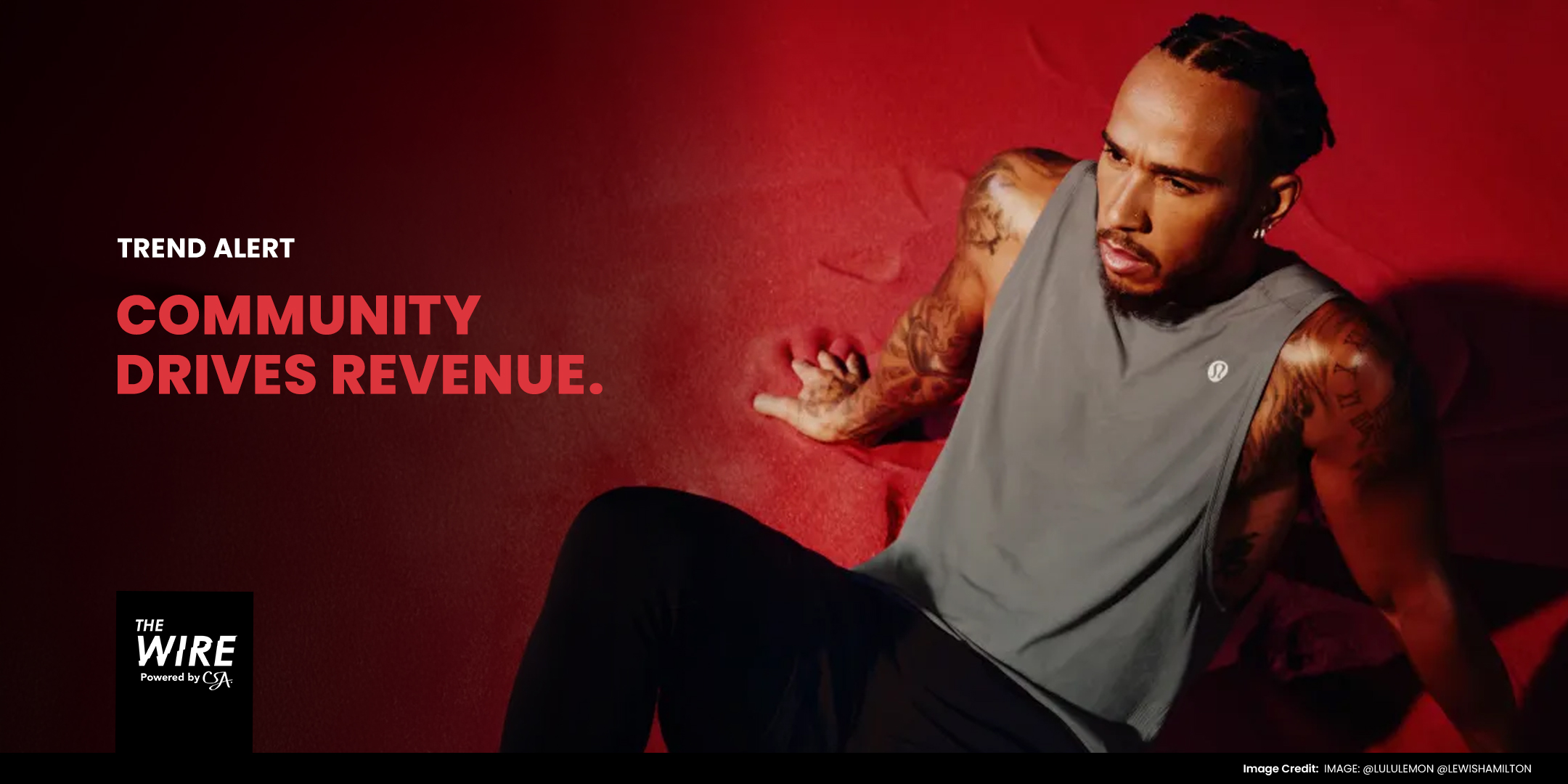
Leading brands are already proving what works. Lululemon continues to scale its ambassador program, expanding into six new markets through local events and community-led networks. By anchoring its brand in wellness, movement, and real-world connection, Lululemon turns participation into organic growth that no paid media budget can replicate.
LEGO Ideas demonstrates the power of co-creation at scale. By crowdsourcing new product concepts directly from fans, and approving multiple 2026 sets including Day of the Dead themed designs, LEGO converts its community into active product developers. The result is built-in virality, emotional ownership, and faster routes to market driven by demand that already exists.
Sephora Squad takes a trust-first approach. Its ongoing 2026 Canada program empowers vetted creators to act as long-term brand advocates rather than short-term influencers. Through genuine testimonials and consistent storytelling, Sephora improves authenticity while driving measurable conversion outcomes.
Guiding Strategies for Industry Leaders
Monetise via Exclusivity.
Communities spend more when they feel prioritised. Member-only drops, tiered access, and insider perks consistently outperform mass campaigns. Data shows that engaged community members spend 2.5 times more, while exclusive launches deliver conversion rates up to 40 percent higher. The strategic imperative is clear, identify superusers and empower them as advocates rather than treating all followers equally.
Co-Create Content with Clear ROI.
In 2026, creator partnerships are no longer experimental. Sixty-one percent of marketers are increasing creator investments because campaigns rooted in authentic collaboration deliver up to 2.5 times greater impact across channels. The shift is toward platforms and partnerships with clear performance metrics, creative accountability, and shared upside.
Measure What Actually Builds Trust.
Likes are no longer the signal. Decision makers must track peer-to-peer interactions, shared experiences, and repeat participation. Micro-communities consistently outperform broad audiences because trust compounds faster in smaller circles. Peer advocacy reduces acquisition costs while lifting lifetime value by as much as 2.7 times.
What CMOs Must Do Next
Audit community engagement signals quarterly, not annually, and integrate first-party data into performance branding frameworks. In culturally dynamic markets like South Africa, brands such as Corona demonstrate the power of embedding into lived experiences, from festival immersions to real-world cultural moments that audiences feel part of, not marketed to. The warning is simple. Brands that treat community as a soft metric will be outpaced by those that turn it into infrastructure. In 2026, relevance is not earned through noise, it is earned through belonging. The time to act is now.