
A report from SA Chart Pulse.
- Maskandi playlist streams exploded by over 3,000%
- Nearly half of Maskandi listeners are now under 35 years old
- Rural music is now outperforming global superstars on SA charts
- TikTok and tavern culture are reshaping South Africa’s music power structure
For years, Maskandi was treated as regional, rural and commercially limited but that era is over.
Over the past six months, the SA Chart Pulse has revealed one of the biggest cultural shifts happening in South African music right now: Maskandi is moving from the fringes into the mainstream.
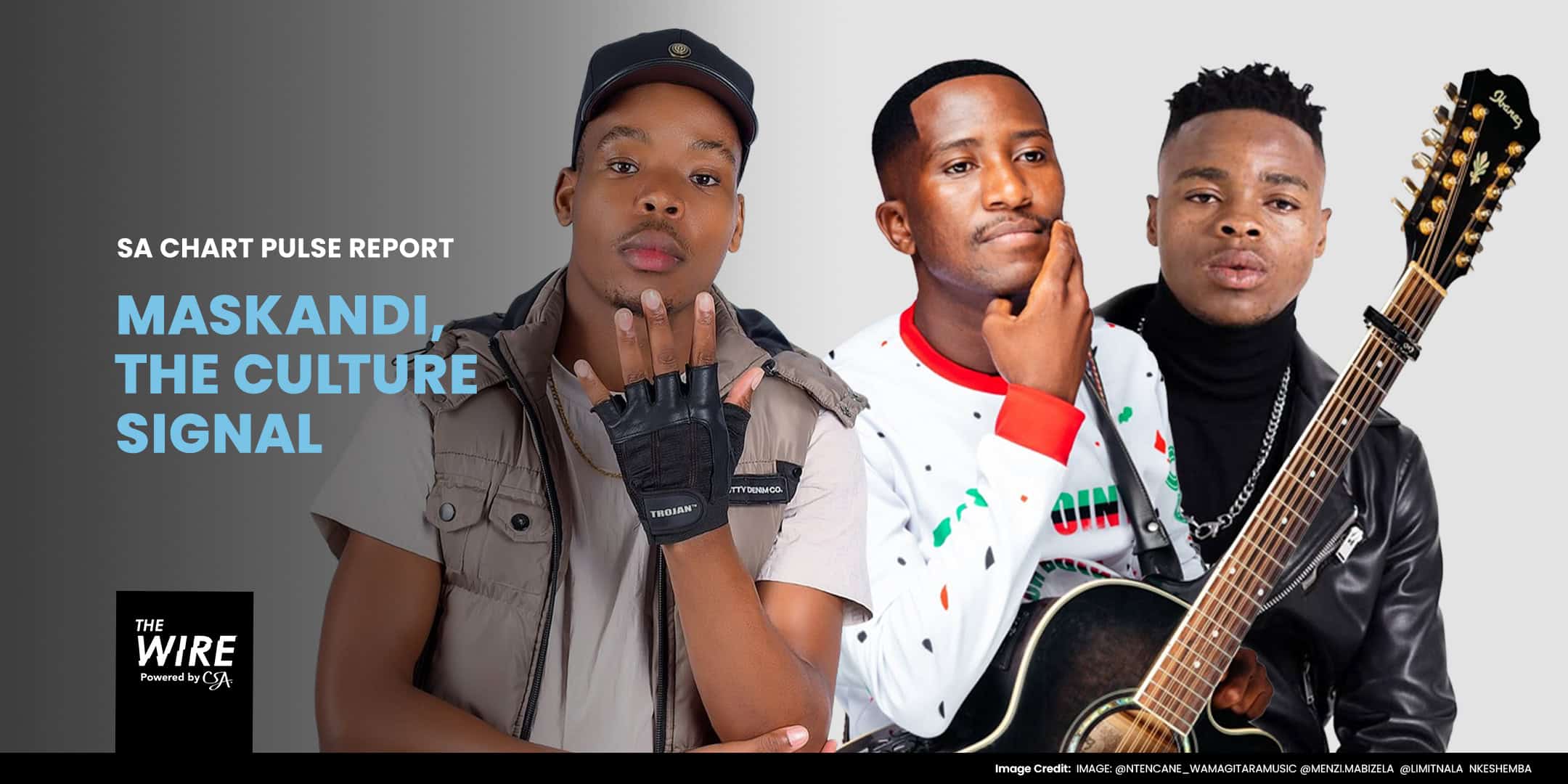
Artists like LIMIT NALA, Ntencane, Menzi Music and Nkeshemba are no longer niche acts. They are competing directly against Drake, Taylor Swift and Chris Brown on national charts, and in some weeks outperforming them. That changes everything.
According to Spotify, nearly half of all Maskandi listeners are under the age of 35, signalling the genre’s powerful connection with younger audiences. Much of this momentum is being driven by Spotify’s Bhinca Nation playlist, now regarded as the central hub for Maskandi’s hottest tracks. Additionally, the playlist currently averages more than two million plays per month and has experienced explosive growth of over 3,000% since 2022.
Why Young South Africans Are Returning to Cultural Identity
But this resurgence is not only about music. It also reflects a deeper emotional shift happening among young South Africans. After years of algorithmic sameness, global imitation and digital fatigue, audiences are reconnecting with music that feels emotionally honest, culturally rooted and deeply local.
People want to hear their language, their stories and their identity reflected back at them again.
- And Maskandi delivers exactly that. The genre now dominates:
- TikTok
- Taverns and taxi culture
- YouTube
- Grassroots streaming
- Rural festivals
- Shazam discovery
How Maskandi Became South Africa’s Fastest-Growing Music Movement
- The SA Chart Pulse consistently shows Maskandi records climbing into the national Top 10 through:
- Massive YouTube engagement
- Viral TikTok circulation
- Strong radio loyalty
- Grassroots streaming momentum
- Search-driven discovery on Shazam
This is not label-manufactured hype. It is community-powered cultural movement.
What makes the rise even more powerful is how the sound itself is evolving. Modern Maskandi now fuses with Amapiano, Afro-folk, gospel and hip hop production, creating music that feels both traditional and culturally current. And authenticity is outperforming manufactured pop culture.
Importantly, the audience is no longer limited to Zulu-speaking listeners. Given that music discovery today is emotional before it is linguistic. Rhythm, vulnerability, storytelling and feeling travel beyond language barriers. This is the same reason Amapiano became global.
For brands, this matters enormously.
Maskandi audiences are highly loyal, emotionally invested and identity-driven, qualities becoming increasingly rare in fragmented digital culture.
The opportunity extends far beyond sponsorship:
- Tavern and live music activations
- Fashion collaborations
- Telecom partnerships
- Rural-to-urban storytelling
- Creator ecosystems
- Documentary-led content
- Hyper-local campaigns
What Brands Still Don’t Understand About Local Music Power
Brands need to participate authentically, not opportunistically. Because Maskandi audiences can immediately detect cultural tourism. Perhaps the most disruptive part of this movement is that it is creating an entirely new artist ecosystem. TikTok, YouTube and streaming platforms are allowing independent artists to bypass traditional gatekeepers entirely.
A viral tavern performance can now become national conversation overnight. And at its core, Maskandi is succeeding because it feels human. The music speaks openly about struggle, migration, spirituality, family and survival, themes audiences are craving in an era of digital exhaustion and emotional burnout.
Maskandi’s resurgence proves something many industries still underestimate:
Culture does not move from the boardroom down.
It moves from the ground up.