
- Strategic Joy” will shape consumer behaviour by 2027
- 64% of adults wish they engaged in more playful activities
- Play is no longer childish its becoming strategic
- Brands need to start auditing their “fun level.”
Does your brand bring joy when inboxes are opened? Or is it part of the killing of fun? Brand content today feels emotionally dead and part of a flood of corporate jargon, over-optimized messaging, safe A.I led creativity, all in packaged predictable campaigns.
Does a scroll through your inbox right now make you feel lighter, happier, or more connected?
If the answer is no, recognize that’s a serious business problem.
“Strategic Joy”
According to WGSN Future Consumer 2027, “Strategic Joy” will become one of the defining emotional drivers shaping consumer behaviour by 2027, as people search for relief from economic anxiety, burnout, digital fatigue, AI overwhelm, and global instability.
In other words, joy is no longer a soft metric. It is becoming a survival mechanism.
And the brands that understand this early will outperform emotionally flat competitors.
The Fun Deficit
The data already points to a growing “fun deficit.” Research cited by NRF 2027 Retail Trends found that 64% of adults wish they engaged in more playful activities, yet only 21% actively do. That gap creates an enormous opportunity for brands. Because when people feel stressed, overwhelmed, or emotionally exhausted, they gravitate toward brands that create emotional release, escapism, participation, and delight.
Play is no longer childish, its becoming strategic. And some of the smartest brands are already moving there.
Why it works? When consumers are not treated like audiences they became participants. For CMOs, this represents a major strategic rethink heading into 2027. The next era of brand growth will not belong solely to the loudest advertisers or the most optimized performance marketers. It will belong to the brands that make people feel emotionally alive again.
This means brands need to start auditing their “fun level.”
Does your brand ever create surprise, warmth, humour, curiosity, shared rituals or community play? Or are you unintentionally contributing to digital exhaustion?
The rise of AI-generated content makes this even more important. As feeds become increasingly synthetic and emotionally repetitive, human joy, spontaneity, and playfulness become differentiation tools.
Life made fun, brands made funner
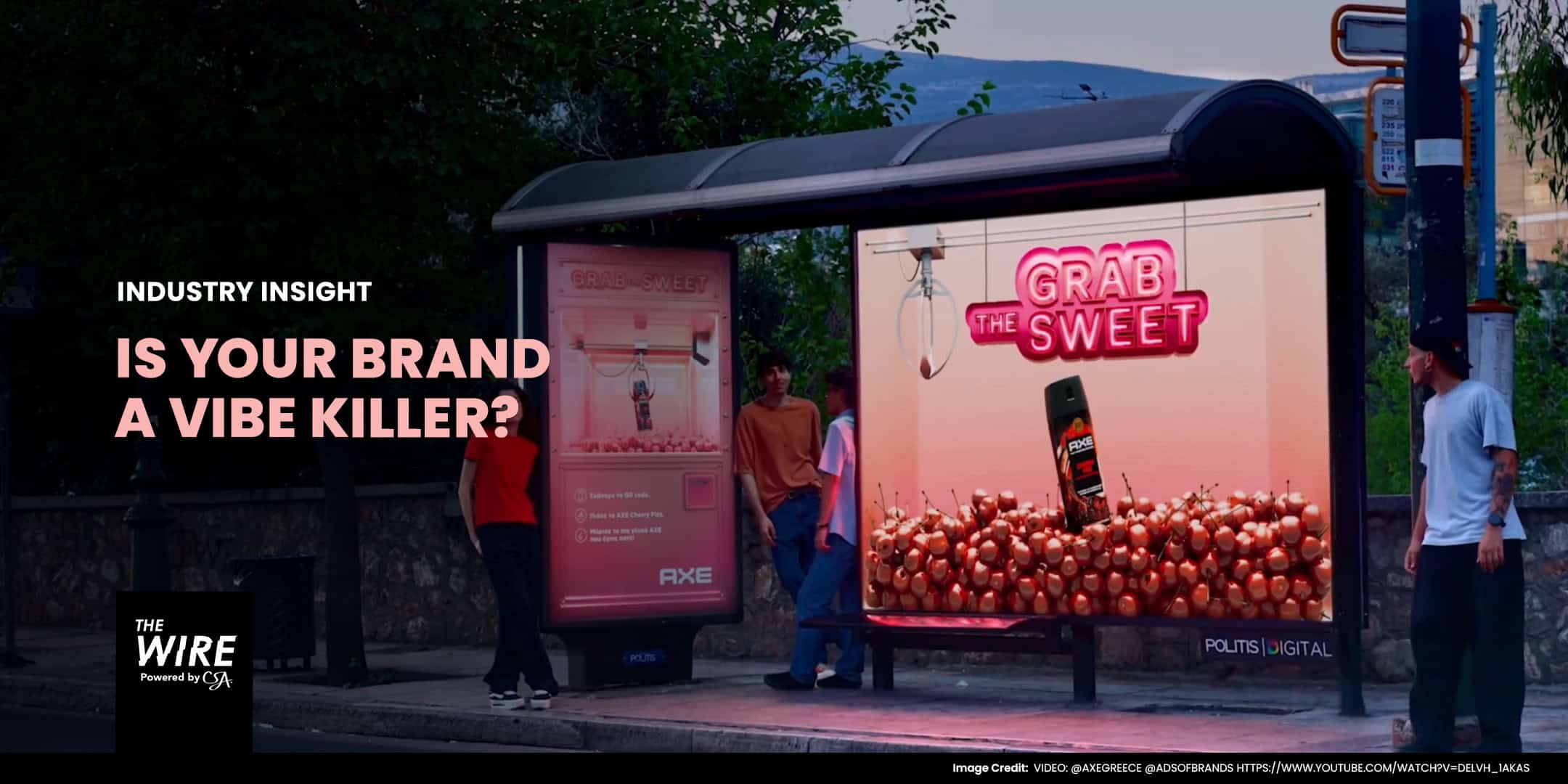
Axe – Grab the Sweet
Rather than relying solely on digital advertising, Axe transformed an ordinary bus stop into a life-sized arcade game, inviting commuters to play while they waited. By turning a routine urban moment into an interactive brand experience, the campaign created a memorable connection with consumers.
The activation quickly extended beyond the physical space, as photos and videos were widely shared across social media, generating viral reach and amplifying Axe’s visibility far beyond the original installation.
They are not just selling products anymore. They are designing emotional worlds people want to belong to.
Do you want the brand edge in 2027? Then understand this one critical shift:
- People are no longer only buying utility. They are buying emotional relief.
And in an exhausted world, fun becomes value. So the real question is no longer:
“What does your brand sell?” It is: “How does your brand make people feel?”
Because in the next era of marketing, the brands that win will not just capture attention.
They will create joy.