
- 50% of brands admit they are still chasing trends instead of shaping culture
- Culturally vibrant brands are growing up to 6x faster
- Consumers instantly detect cultural opportunism
- Emotional resonance is becoming more valuable than visibility
- Cultural Intelligence is shifting from marketing layer to growth strategy
Most brands think they’re participating in culture. In reality, they’re arriving late to it. A trend explodes online. A creator moment gains traction. A new aesthetic, behaviour or conversation starts moving communities. Brands rush to participate, hoping visibility will translate into relevance. But by then, audiences have already decided whether the brand belongs in the conversation or not. That’s the problem.
Too many businesses still treat culture like a campaign opportunity instead of the operating system behind modern consumer behaviour. And in a market increasingly shaped by identity, emotion and community, that disconnect is becoming expensive.
Because culture no longer sits on the edges of marketing. It shapes what people buy, what they share, how they identify themselves, and ultimately, which brands they trust.
The Difference Between Trend-Chasing And Cultural Intelligence
Consumers today are remarkably good at detecting opportunism. They can instantly distinguish between brands participating with understanding and brands simply chasing visibility. That gap is where Cultural Intelligence Quotient – or CQ – becomes critical.
CQ shifts the focus away from reacting to trends and toward understanding the deeper human tensions driving them. Instead of asking, “What should we jump on?”, culturally intelligent brands ask more valuable questions:
Why is this behaviour emerging?
What emotional pressure is driving it?
What identity signal does it represent?
And what deeper shift in culture is this moment responding to?
That distinction matters because modern growth is becoming increasingly emotional and community-led. The brands creating long-term relevance are not simply monitoring culture, they are decoding it before the brief is even written.
And that is why Cultural Intelligence is no longer just a creative layer. It is becoming a strategic planning function.
The Brands Winning Right Now Aren’t Necessarily The Loudest
They are the ones that feel emotionally aligned with how people see themselves.
Brands like Google, Dawn and M&Ms are outperforming not because they dominate attention, but because they better reflect the values, pressures and lived experiences shaping their audiences today.
The commercial impact is becoming impossible to ignore. Kantar BrandZ data shows brands with strong cultural vibrancy are perceived as significantly more meaningful and differentiated, and are growing up to six times faster than competitors.
That statistic alone should reshape how marketers think about growth in 2026.
Because differentiation is no longer driven by product superiority alone. Increasingly, it is driven by cultural relevance.
Culture Is Becoming A Competitive Advantage
We are already seeing this shift play out globally.
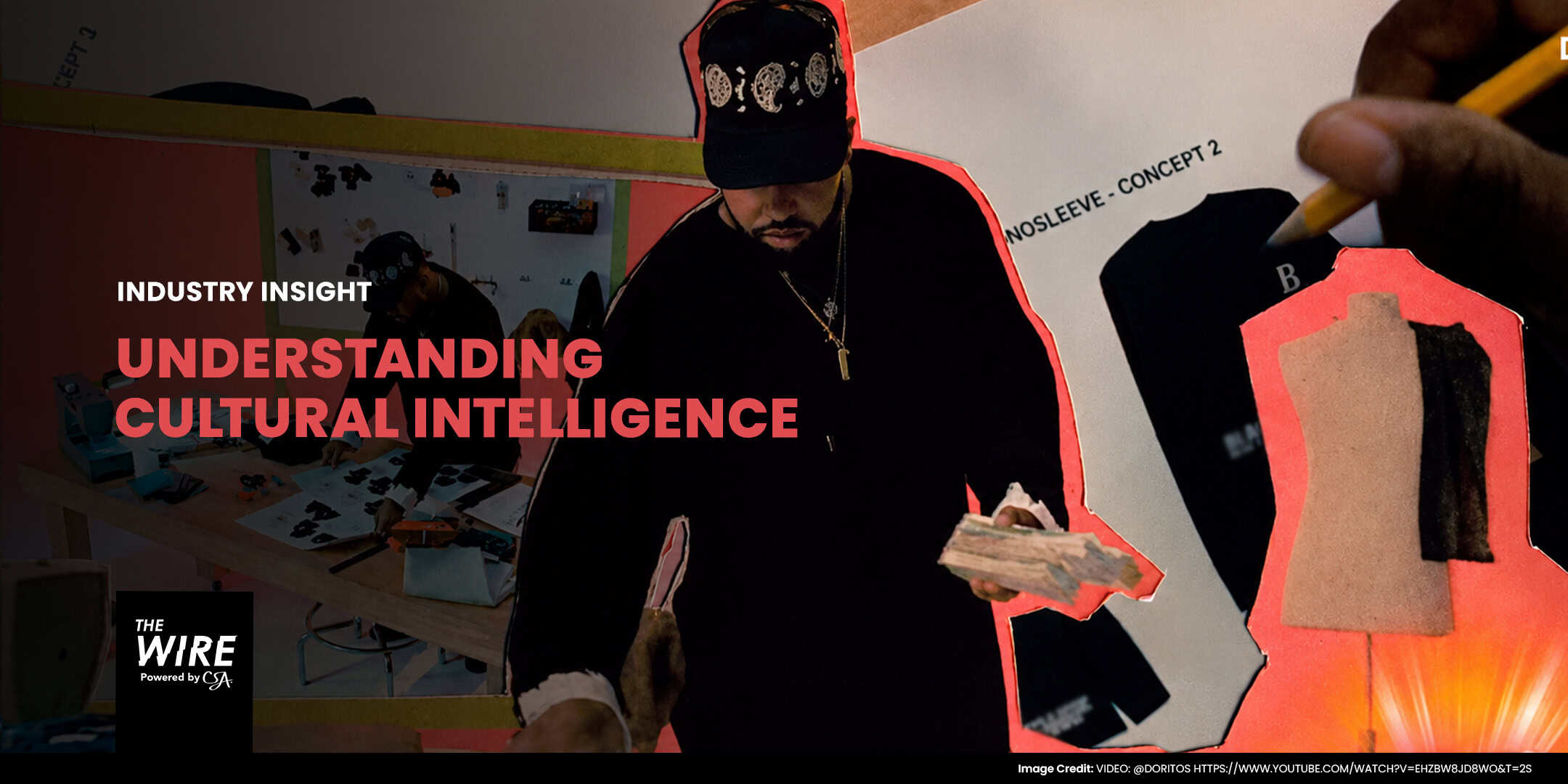
Doritos used cultural intelligence tools to refine creative work for stronger authenticity and audience resonance, resulting in meaningful lifts across creative performance and brand favourability.
Band-Aid achieved similar impact by understanding a deeper cultural tension around representation and identity, strengthening multicultural loyalty through more inclusive skin-tone representation.
Neither example succeeded because of surface-level inclusion. They succeeded because the brands understood the emotional context behind the audience.
That is the future of effective marketing.
What This Means For Brands Moving Forward
For CMOs and marketers, the implications are becoming increasingly clear.
First, Cultural Intelligence cannot remain isolated within social or influencer teams. It needs to shape strategy before campaigns are even built.
Second, brands need to stop confusing trend participation with cultural fluency. Viral moments fade quickly. Human tensions and identity signals last far longer.
And third, emotional resonance is becoming a business metric in its own right. In a fragmented attention economy, connection is proving more commercially valuable than visibility alone.
The Bottom Line
In 2026 and beyond, brands will not grow because they interrupted culture more effectively.
They will grow because they understood people better before everyone else did.